REVIEW · KOCHI
Kochi Tour Guide -A Heritage walking tour in Fort kochi and Mattancherry !
Book on Viator →Operated by Biju's Tours · Bookable on Viator
Kochi’s layers show fast on this walk. This Fort Kochi and Mattancherry heritage tour strings together the big sights and the human stories behind them, with stops like the Chinese fishing nets, St. Francis Church, and the Jewish synagogues. I especially like the tight, 3-hour format that keeps you moving through major landmarks without turning it into a museum slog, and I like how the guide explains how all these faiths and trading links overlapped over time. One thing to consider: the dress code for places of worship and selected museums is strict (shoulders and knees covered), and synagogue entry has a separate fee listed.
You get a local host, bottled water, and a simple plan that runs in either the morning or the afternoon. It’s private for your group, and reviews highlight guides like Biju for clear English and patient answers—even on the hottest afternoons when the route may include short hops to save time and heat. You’ll want moderate fitness since it’s still a walking tour.
In This Review
- Key Highlights to Know Before You Go
- Why Fort Kochi and Mattancherry Works So Well Together
- Timing, Pace, and How the 3 Hours Typically Runs
- Stop-by-Stop: Chinese Fishing Nets and Early European Churches
- Chinese Fishing Nets
- Santa Cruz Cathedral Basilica
- Church of Saint Francis
- Dutch Cemetery and Mahatma Gandhi Beach: Two Stops, Two Moods
- Dutch Cemetery (1724)
- Fort Kochi Beach, also called Mahatma Gandhi Beach
- Mattancherry Palace: Where Dutch Architecture Meets Museum Time
- Jew Town and Paradesi Synagogue: The Jewish Street Side of Kochi
- Jew Town
- Paradesi Synagogue (1568)
- Cochin Spice Market: Why Trade Is Part of the Heritage Story
- Value Check: Is $15 a Fair Deal?
- Dress Code and Practical Tips (So You Don’t Lose Time)
- Who This Tour Fits Best
- Should You Book This Kochi Heritage Walking Tour?
- FAQ
- How long is the Fort Kochi and Mattancherry heritage walking tour?
- Is there a morning or afternoon option?
- What does the price include?
- Are there any extra fees for Jewish sites?
- What are the dress code rules?
- Where does the tour start and end?
Key Highlights to Know Before You Go
- Fort Kochi + Mattancherry in one route: Portuguese-era church sites, Dutch remnants, and Jewish landmarks in a walkable flow
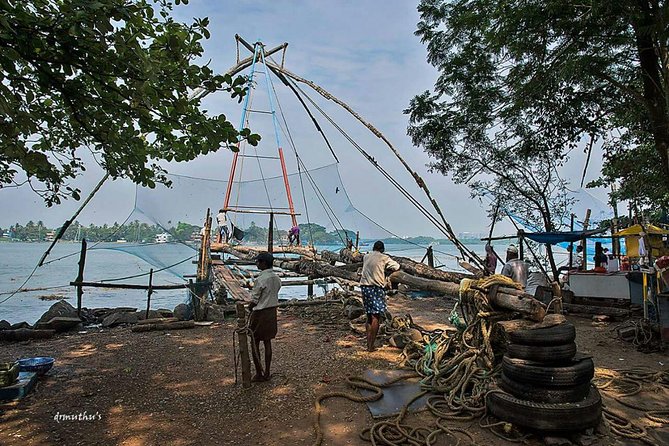
- Chinese fishing nets stop on the ground: you’ll see the nets up close and learn why they matter here
- Dutch Palace includes guided access: you get context for the building and what to look for inside
- Jew Town feels specific, not generic: the tour targets synagogue sites tied to Kochi’s long trade connections
- Spice Market time is built in: you’ll finish with a taste of the trading world that shaped the city
- Dress code can affect entry: plan clothing that covers shoulders and knees to avoid being turned away
Why Fort Kochi and Mattancherry Works So Well Together
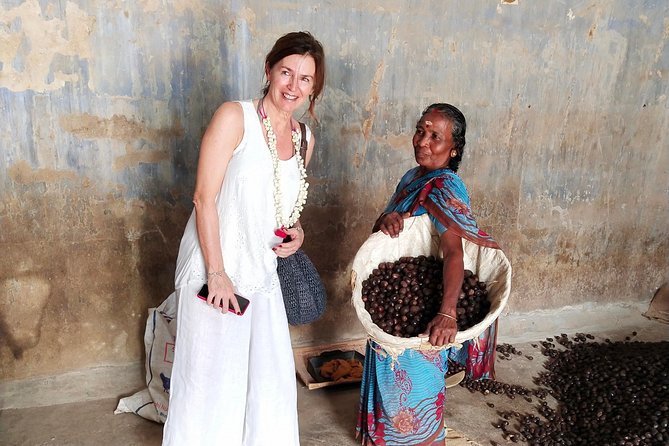
Fort Kochi and Mattancherry are close, but they don’t feel the same. Fort Kochi gives you the port-town feel: sea air, churches that point to old European footprints, and the famous Chinese fishing nets that became part of Kochi’s working life. Mattancherry shifts the mood toward inner-city lanes, craft, markets, and Jewish heritage sites woven into the neighborhood.
What I like about combining both areas in one tour is that you stop treating Kochi like a checklist. Instead, you get a sense of how different groups came through the ports and then stayed—through religion, architecture, and trade. You’ll also get a guide who can connect the dots without making it heavy or lecture-y, which is exactly what a heritage walk should do.
You can also read our reviews of more walking tours in Kochi

Timing, Pace, and How the 3 Hours Typically Runs
This is roughly a 3-hour experience, with morning or afternoon departure options. That matters because Fort Kochi heat can be real, especially in the afternoon. The tour is designed for moderate walking with time at each highlight, so you’re not rushing from one stop to the next like a sprint.
Also, the tour is private for your group. That’s a big value for families and solo travelers. You can ask questions as you go, and the guide can adjust the pace if someone wants extra time at a church door, a cemetery view, or inside the palace museum area.
If you’re sensitive to walking in sun, bring a hat and water (bottled water is included). Expect the guide to keep you comfortable, and based on past experiences, some short transport legs may happen to reduce heat stress.
Stop-by-Stop: Chinese Fishing Nets and Early European Churches
Chinese Fishing Nets
The walk starts with the traditional Chinese fishing nets. This isn’t just a photo stop. You’ll learn how these nets became part of Kochi’s fishing culture and why the area is known for this coastal scene. It’s a great kickoff because it grounds the story: Kochi’s heritage isn’t only about buildings—it’s about how people worked the sea.
Santa Cruz Cathedral Basilica
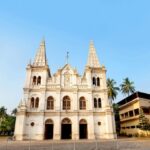
Next is the Santa Cruz Cathedral Basilica. The timeframe matters here: the church dates to 1505, and the guide’s job is to help you see why a church from that era is such a strong marker in Fort Kochi. Expect a quick, focused visit rather than a slow wander—enough time to appreciate the setting and move on.
You can also read our reviews of more guided tours in Kochi



Church of Saint Francis
Then comes the Church of Saint Francis, known as the first European church in India. This stop is usually where the tour shifts from place names to real context. You’ll be able to understand why this church sits where it does and what that says about the early European presence in the region.
Practical tip: places of worship can have dress rules and quiet areas. If you arrive with your shoulders and knees covered, you’ll keep momentum and avoid last-minute clothing fixes.
Dutch Cemetery and Mahatma Gandhi Beach: Two Stops, Two Moods
Dutch Cemetery (1724)
The Dutch Cemetery dates to 1724. Even with a short visit, it tends to hit hard in a quiet way. You’re looking at tangible evidence that Kochi was not just a trading route—it was a long-term connection point for people who arrived from far away and sometimes never left.
If your group likes history that shows up in real objects (not just dates), this is one of the best “small stop” moments. It’s only about ten minutes, but it can become a highlight because it changes the emotional tone.
Fort Kochi Beach, also called Mahatma Gandhi Beach
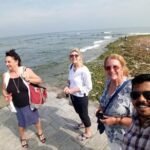
Then you get a breather at Fort Kochi Beach, also known as Mahatma Gandhi Beach. This stop helps you reset after religious and heritage sites. It’s free time, and it’s useful: you’ll feel the air, notice how close everything is to the coast, and get ready for the inland shift to Mattancherry.
Mattancherry Palace: Where Dutch Architecture Meets Museum Time
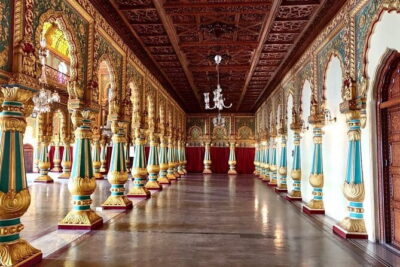
The tour moves into Mattancherry Palace, sometimes called the Dutch palace. It’s an important stop because it’s not just exterior scenery—you get time at the museum under the Archaeological Survey of India.
One detail I really value here is that guides often point out what to look for inside. In past experiences with this tour style, people specifically call out explanation of visual elements like frescoes inside the palace. That’s exactly the difference between “I saw a palace” and “I understood what I saw.”
This stop is about 20 minutes, which works well. Long enough for meaning, short enough that you’re not stuck waiting around.
Jew Town and Paradesi Synagogue: The Jewish Street Side of Kochi
Jew Town
Jew Town is where the tour becomes more than monuments. You’ll walk a Jewish street area that helps you understand Kochi as a place where communities lived in close proximity. It’s usually a quick, guided look—about 15 minutes—but it’s designed to give you location-specific context.
Paradesi Synagogue (1568)
After that you’ll visit Paradesi Synagogue, built in 1568. This is a key “wow” stop because the architecture and the setting tell you Kochi mattered far beyond regional boundaries.
One practical note: the listing shows an entrance fee of ₹100 per person for the Jewish synagogue, which is not included. So budget for that extra cost on the day for synagogue entry.
Dress code also matters here. If you forget, entry rules can slow your whole plan—so it’s worth getting dressed correctly before you reach the synagogue area.
Cochin Spice Market: Why Trade Is Part of the Heritage Story
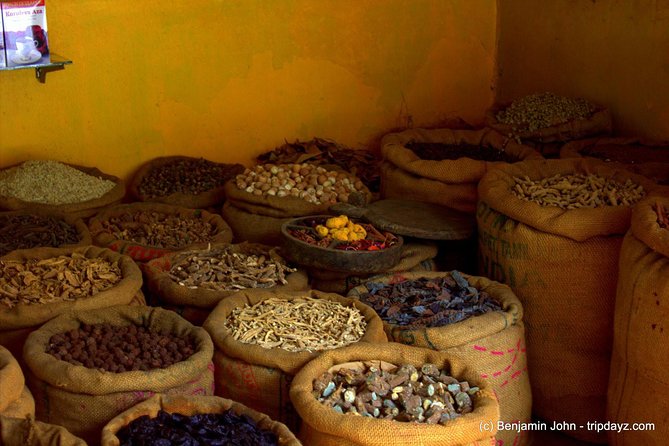
The tour includes time at the Cochin Spice Market. This is a free admission stop and about 15 minutes—not a shopping marathon.
What makes it valuable is that it closes the loop. Earlier stops show faith and architecture. Spice market time shows trade in action. Even if you don’t buy anything, you’ll understand why spices turned Kochi into a connector for merchants and communities across oceans.
If you want to buy, do it with patience. Price and quality can vary, and small purchases are often enough if you’re just trying spices to bring home without overthinking it.
Value Check: Is $15 a Fair Deal?
At $15 per person, this tour usually feels like good value because several stops include admission tickets and because you get guided context that can easily take much longer without help.
What’s typically included:
- Local guide and bottled water
- Admission tickets at many key stops, including places like the Chinese fishing nets, Santa Cruz Cathedral Basilica, Church of Saint Francis, Mattancherry Palace, Jew Town, and Paradesi Synagogue (though synagogue entry may still require an extra ₹100 fee listed separately)
- Some areas with free admission, like the Dutch Cemetery, Fort Kochi Beach, and the spice market
What may cost extra:
- The listing specifically notes ₹100 per person for the entrance fee for the Jewish synagogue.
To me, the value comes from how the guide stitches it together. You’re not paying only for access. You’re paying for an explanation of why these places sit where they do and how Kochi’s port history shaped the city’s everyday life.
Dress Code and Practical Tips (So You Don’t Lose Time)
This tour includes places of worship and selected museums, and the rules are clear: knees and shoulders MUST be covered for both men and women. That means:
- No sleeveless tops
- Avoid too-short skirts
- Plan ahead so you’re not improvising at the entrance
I’d also pack the basics that make heritage walks easier:
- A hat or cap for sun
- Comfortable walking shoes with grip
- Small day bag or crossbody to keep hands free for photos
- Water and sunscreen (bottled water is included, but sunscreen is still on you)
If you’re going in afternoon heat, aim for breathable layers that still meet the coverage rules. That’s the easiest way to stay cool without breaking the dress code.
Who This Tour Fits Best
This is a strong match if you:
- Want Fort Kochi + Mattancherry without figuring out routes yourself
- Like history, art details, and religion in the same hour
- Prefer a guide who can answer lots of questions (past experiences show guides taking the time)
- Travel solo or with a small group and want a private setup
It’s also good if you’re not a hardcore museum person. The tour is structured around meaningful stops, but it keeps a walking rhythm so you’re not stuck staring at walls all day.
If you dislike walking for long stretches, you might still be okay because the visits are time-boxed. But it does require moderate physical fitness, so plan for that.
Should You Book This Kochi Heritage Walking Tour?
Book it if you want a fast, grounded way to understand Kochi’s mix of Portuguese-era churches, Dutch-era traces, and Jewish heritage in one connected walk. At $15, it’s an easy yes if you’re curious and you like learning from a local guide instead of reading facts off a sign.
I’d think twice if you know you won’t follow the dress code, or if you’re traveling with someone who can’t do a moderate walking pace. Also, keep ₹100 per person in mind for synagogue entry on the day.
FAQ
How long is the Fort Kochi and Mattancherry heritage walking tour?
It runs for about 3 hours.
Is there a morning or afternoon option?
Yes. You can choose either a morning or an afternoon departure.
What does the price include?
The tour includes a local guide and bottled water, and admission tickets are included for multiple stops on the route. Some stops have free admission.
Are there any extra fees for Jewish sites?
The listing notes an entrance fee of ₹100 per person for the Jewish synagogue, which is not included.
What are the dress code rules?
For places of worship and selected museums, shoulders and knees must be covered. Sleeveless tops and too-short skirts are not allowed, and entry can be refused if you don’t meet the rules.
Where does the tour start and end?
It starts at Kashi Art Café near the police station area in Fort Kochi, and it ends in Jew Town in Mattancherry.