REVIEW · KOCHI
Heritage & Cultural Walk of Alleppey (Guided Walking Tour)
Book on Viator →Operated by Yo Tours · Bookable on Viator
Stories travel faster than taxis. This Heritage & Cultural Walk of Alleppey by Yo Tours is a fast way to get your bearings in Alappuzha/Alleppey, with a guide who mixes city history, local color, and fun facts into a story-led stroll. I especially liked the English-and-Hindi storyteller approach, and the way the route aims to take you off the main drag into lesser-known lanes and “old city” corners.
One thing to consider: the walk starts at Revi Karunakaran Memorial Museum, which includes a private collection of Swarovski crystals and even ivory. If you were hoping for mostly churches and beach time right away, that museum-first timing may feel slower at the start.
In This Review
- Key highlights you’ll feel right away
- A 2-hour heritage walk that helps you read Alappuzha fast
- Starting at Revi Karunakaran Memorial Museum (why it works, and when it doesn’t)
- The old art gallery and Roman Catholic Latin Cathedral stop
- Alappuzha Lighthouse: one of Kerala’s oldest, and why age matters
- Alleppey Beach and the sea bridge: closing with the sea air
- The storyteller factor: the guide’s pacing and local tips
- Price and value: what $12.46 buys you
- Who this walking tour suits best (and when to choose something else)
- Practical tips so you enjoy every stop
- Should you book Heritage & Cultural Walk of Alleppey with Yo Tours?
- FAQ
- How long is the Heritage & Cultural Walk of Alleppey?
- Where does the tour start and end?
- What sites are included in the walk?
- Is the guide available in English and Hindi?
- What’s included, and what should I bring?
- What’s the cancellation policy?
Key highlights you’ll feel right away

- Small group size (up to 15) keeps the walk conversational instead of herded.
- Hidden lanes and forgotten stories are part of the plan, not just a slogan.
- Museum + cathedral route gives you a wider feel for Kerala and Catholic Kerala than a simple sightseeing loop.
- Historic lighthouse stop focuses on a major landmark with real age behind it.
- Beach-and-sea-bridge ending lets you wrap the walk with ocean air and easy photos.
A 2-hour heritage walk that helps you read Alappuzha fast
This is the kind of tour I like when I’m trying to understand a place quickly. In about two hours, you’re not just ticking sights off a list. You’re learning how the old town fits together: culture, religion, landmark geography, and the everyday city rhythm that connects them all.
The format also matters. A guided walking route works best when the guide keeps your attention moving from stop to stop. This one leans into an infotainment style: historical explanations plus curious anecdotes, including lightly gossipy talk about past and present celebrities and defunct royals. It’s not dry. It’s meant to keep you awake and walking.
You can also read our reviews of more walking tours in Kochi



Starting at Revi Karunakaran Memorial Museum (why it works, and when it doesn’t)
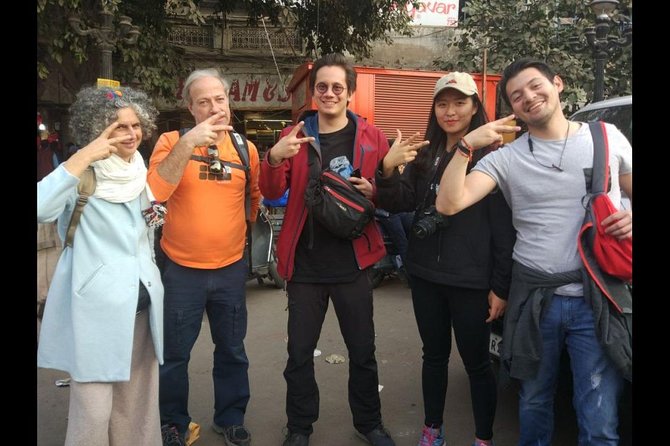
The tour begins at the Revi Karunakaran Memorial Museum on VCSB Road, near Power House Bridge, by Convent Square in Sea View Ward. From the outside, a museum start can sound like a delay. In practice, it can set the tone for the rest of the walk because it’s about collecting and displaying cultural artifacts—exactly the theme your guide will keep circling back to.
Inside, you’ll see decorative art and artifacts, including a large private collection of Swarovski crystals and ivory. That choice tells you something about the local story the museum is trying to present: art, collection culture, and the way private collections can become public memory.
Here’s the main trade-off. If your idea of a “heritage walk” is mostly street-level history—temples, churches, old buildings, and sea views—this start can feel like it’s taking a detour. And because the listing doesn’t tie the museum’s focus tightly to Kerala themes in the way you might expect, you may have to accept that the museum is more “what this collector valued” than “this is the one key chapter of Kerala history.”
My practical advice: decide in advance whether you’re okay with a museum that includes modern luxury items (like crystals) and ethically complicated materials (like ivory being displayed). If you’re not, you might want to skip this tour and do a more church-and-lighthouse focused route on your own.
The old art gallery and Roman Catholic Latin Cathedral stop
After the museum, you move into another layer of the city: the visual and religious side. The next named stops include an old art gallery and a Roman Catholic Latin Cathedral.
This is where the walking tour earns its “cultural” label. Kerala isn’t only about one tradition or one type of architecture. Catholic communities have a strong presence in certain parts of the region, and cathedral buildings carry visible traces of faith, artistry, and community life. Even if you’re not a serious architecture person, a cathedral stop gives you orientation: you can start seeing how the old town’s religious landmarks anchor neighborhoods.
What to do here is simple. Slow down for a few minutes, look around, and treat the guide’s story as a map. Ask yourself: what does the building’s role feel like—an event space, a community symbol, a landmark for travelers? The best walking tours don’t just point. They teach you how to notice.
Potential drawback for your expectations: because the tour only runs about two hours total, each stop gets a set window. If you’re hoping for time to sit quietly in every church like it’s a private visit, you may find the pacing brisk. Still, brisk can be fine when you pair it with the guide’s explanations.
Alappuzha Lighthouse: one of Kerala’s oldest, and why age matters
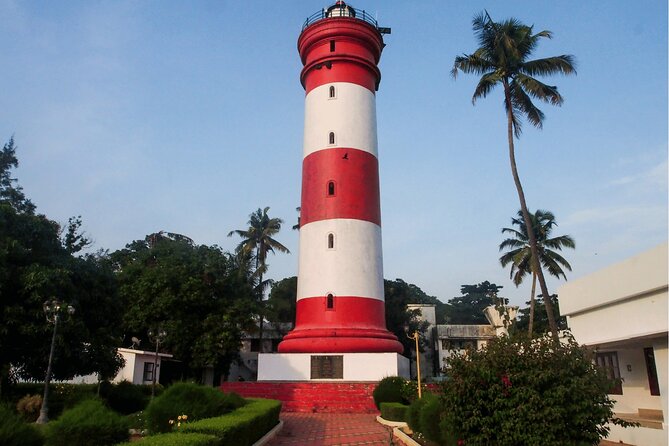
Next comes the Alappuzha Lighthouse. This is one of Kerala’s oldest lighthouses, built more than 150 years ago. That age is the point. When a landmark is that old, it’s not just a photo spot—it’s a witness.
A lighthouse changes how you understand a coastal city. It’s built to support navigation, trade, and movement of goods and people. So when you stop here, the guide’s stories likely shift from buildings and collectors to the logic of the sea: why this coastline mattered, how it connected to the broader region, and how towns grew around the fact that ships came and went.
What I’d focus on, as a practical traveler:
- Watch for sightlines between land and water.
- Take a moment to picture how the shoreline would have looked when the lighthouse was new.
- Let your guide connect the lighthouse to the city’s everyday life, not just its date.
This is also where you start feeling the tour’s structure click into place. You begin inside with collected artifacts, then move into faith and local art, and finally end at a landmark tied to the coast—exactly the kind of arc that helps you remember the city as a system, not separate points.
Alleppey Beach and the sea bridge: closing with the sea air
The final stop is Alleppey Beach, in Civil Station Ward. This is a good way to finish a walking tour because it swaps the “indoors/outdoor landmark” feeling for open air. You get to reset your senses.
Ending at the beach also helps you confirm what you learned earlier. Lighthouses and churches make sense when you’ve felt the city’s coastal pull. And the sea bridge mention is useful because it suggests a specific kind of coastal experience—an extra built element you can frame in photos and in your mental map of where the water meets the town.
This part is best if you use it actively:
- Take a few photos, but also look around and notice how people actually move in this area.
- If you’re tired, sit for five minutes. The tour is short; a reset will help everything else you do later.
You can also read our reviews of more guided tours in Kochi





The storyteller factor: the guide’s pacing and local tips
One of the strongest parts of this experience is the guide format. You get a highly trained, friendly storyteller/guide who can speak English and Hindi. That bilingual ability matters more than it sounds. Even if your Hindi is basic, a guide who can switch comfortably usually means better explanations and smoother group flow.
Also, the tour promises great local tips and recommendations to save money and explore the best parts of the city. Those tips are usually where walking tours turn from “nice” into “useful.” A good guide doesn’t just show you what you can see; they help you decide what you should do next—often the stuff that actually saves you time and money.
The storytelling style is part of the package too. The route blends historical elucidation with curious anecdotes, and the guide includes mildly scurrilous talk about past and present celebrities and defunct royals. It sounds goofy on paper. On the street, it usually means you’re getting bite-sized attention grabs that make dates and names easier to remember.
Group size matters here. With a maximum of 15 travelers, your guide can react to questions and keep the energy up. Big groups tend to freeze guides into a script. Smaller groups let the tour stay human.
Price and value: what $12.46 buys you

At $12.46 per person for an approximately 2-hour guided walk, the price is positioned as budget-friendly sightseeing with added guidance. You’re paying for:
- A live English/Hindi guide
- Access to hidden lanes and places
- Local recommendations and practical info
- A structured route that strings together museum, cathedral, lighthouse, and beach
Is it “cheap” sightseeing? In some cities, yes. In others, a guide-only walking tour costs more. Here, the value depends on whether you like this mix of stops. If your ideal day is mostly churches plus sea views, you may question the museum start. If you enjoy context—how artifacts, faith, and navigation shape a port city—the included variety can feel like good value for money because it compresses multiple themes into one short window.
Two small things to remember about what’s not included: no bottled water and no hotel pickup/drop. Since the tour is short, you can handle this easily, but don’t show up assuming water is provided. Bring a small bottle and wear shoes you can walk in for two hours without thinking too hard about it.
Who this walking tour suits best (and when to choose something else)
This works best if you:
- Want an easy first orientation to Alappuzha/Alleppey
- Enjoy guided storytelling more than “silent looking”
- Like a route that mixes culture, religion, and coastal landmarks
- Prefer a group size that stays under control (max 15)
It may not fit you as well if:
- You strongly dislike museums (the first stop is a museum)
- You only want religious sites and outdoor views
- You’re sensitive to the museum including ivory in a displayed collection
If you’re on a tight schedule and want one guided walk to help you plan the rest of your day, this is a solid choice. If you’d rather spend extra time slowly exploring just one or two sites on your own, you might get more satisfaction from a self-guided plan focused purely on the lighthouse and beach.
Practical tips so you enjoy every stop
Here are a few things that will make the day smoother, based on what the tour is set up to do:
- Wear comfortable walking shoes. You’ll be on foot for about 2 hours.
- Plan to follow the guide closely at each stop. With multiple named locations, the pacing is part of the experience.
- Bring water. Bottled water isn’t included.
- Use the meeting point address and arrive a few minutes early so you’re not rushing the start.
- Expect a short, story-heavy format. If you want long quiet time inside each place, you may need to add extra solo time after the tour.
Should you book Heritage & Cultural Walk of Alleppey with Yo Tours?
I’d book this if you want a guided “how the city works” walk that includes more than the obvious photos. The lighthouse stop alone helps anchor the coast, and the museum + cathedral pairing gives you a broader sense of culture than a one-note route.
I’d think twice before booking if the idea of starting at a museum that includes Swarovski crystals and ivory doesn’t match your interests. In that case, you’d likely spend the first part wishing it were a different kind of heritage.
If you do book, treat it as orientation plus storytelling. Then use what you learn to pick what to explore deeper on your own—especially around the beach area and the broader old-town lanes the guide is aiming to show you.
FAQ
How long is the Heritage & Cultural Walk of Alleppey?
It runs for about 2 hours.
Where does the tour start and end?
It starts at Revi Karunakaran Memorial Museum (XVIII/990-A, VCSB Road, near Power House Bridge, Convent Square, Sea View Ward, Alappuzha) and ends at Alleppey Beach (Civil Station Ward, Alappuzha).
What sites are included in the walk?
The walk includes the Revi Karunakaran Memorial Museum, an old art gallery and a Roman Catholic Latin Cathedral, Alappuzha Lighthouse, and Alleppey Beach.
Is the guide available in English and Hindi?
Yes. The guide can speak English and Hindi.
What’s included, and what should I bring?
Included are the guided storytelling, local tips, and access to hidden lanes and places. Bottled water is not included, so bring your own.
What’s the cancellation policy?
You can cancel for free up to 24 hours in advance for a full refund. If you cancel less than 24 hours before the start time, the amount paid is not refunded.