REVIEW · BANGALORE
Belur and Halebidu From Bangalore
Book on Viator →Operated by Discover Activities · Bookable on Viator
Carved stone tells a war story. This 13–14 hour outing connects two of Karnataka’s most celebrated Hoysala temple complexes—Belur and Halebidu—so you can see how art, religion, and power were fused into stone. I love the way these temples reward slow looking: the details keep revealing themselves as you move around.
My second favorite part is the sheer craft you can spot with your own eyes. At Belur, the Chennakeshava Swamy Temple is lavishly decorated and its construction story stretches across nearly 103 years. At Halebidu, the Hoysaleswara Temple is dedicated to Shiva and packed with intricate carving scenes on walls and pillars.
One drawback to plan for: entry fees, a local guide, and meals aren’t included. Also, the day starts early, with pickup at 6:00am, so it’s a long run even though the time inside each temple is about an hour.
In This Review
- Key things I’d bet on before you go
- The Hoysala temples: why Belur and Halebidu matter
- First stop: Belur Shri Chennakeshava Swamy Temple (and the 1117 victory link)
- Second stop: Halebidu Hoysaleswara Temple, plus the Nandi you can’t miss
- What to look for up close (so the carvings don’t blur together)
- Timing, transport, and how to handle a 6:00am start
- Price and value: is $99 per person actually fair?
- Who should book this Belur and Halebidu day trip
- Alternatives if you’re price-shopping or flexible
- Should you book this tour
- FAQ
- How long is the Belur and Halebidu trip from Bangalore?
- What time does the pickup start?
- Which temples are included?
- Are entry fees included in the tour price?
- Is a local guide included?
- Are meals included?
- What does the tour include for the price?
- Is pickup from my hotel included?
- Is cancellation free?
- Is this a private tour?
Key things I’d bet on before you go
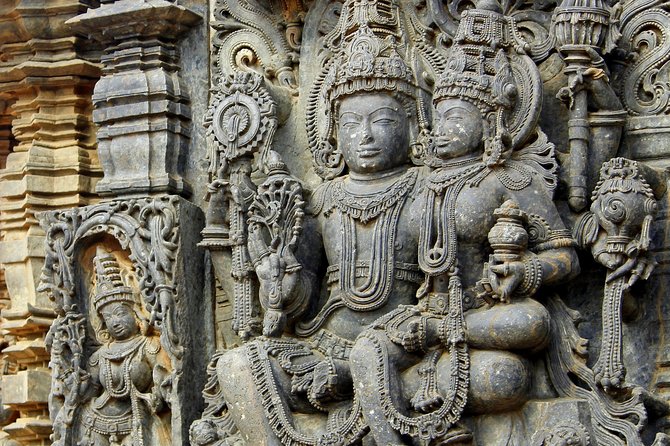
- Belur’s Chennakeshava Swamy Temple ties directly to a Hoysala victory in 1117 AD against the Cholas at Talakad.
- Halebidu’s Hoysaleswara Temple took more than eighty years and was left incomplete, which makes it feel extra human and real.
- Nandi at Halebidu is right opposite the temple, so you get a classic Shiva-court moment fast.
- Carvings you can actually notice: wall scenes include gods, humans, animals, war, hunting, and music/dance themes.
- Private transportation with pickup makes the day feel controlled, not chaotic.
- Budget for extras: entry tickets and meals are on you, since they’re not part of the tour price.
The Hoysala temples: why Belur and Halebidu matter
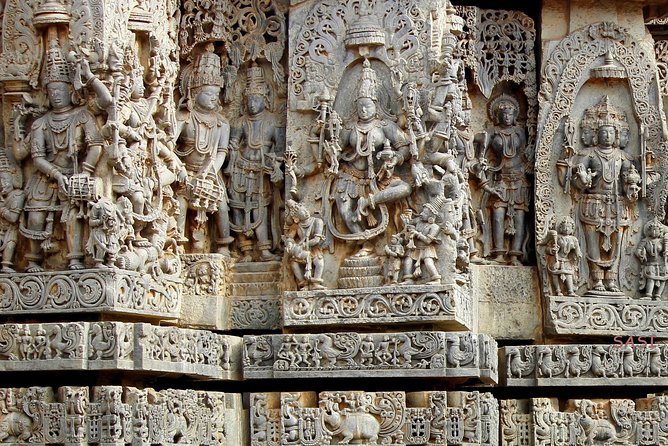
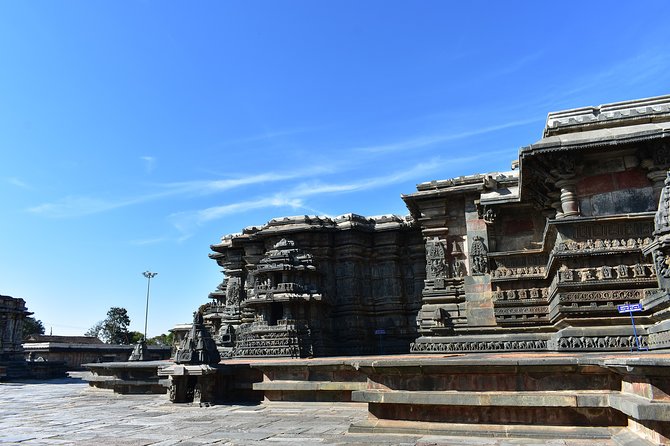
Belur and Halebidu are famous for one reason: the Hoysala style. This is where you see a distinct take on Dravidian and vesara architectural influences, then mixed with the Hoysalas’ own signature touches. If you care about craftsmanship, these temples are the kind you keep circling back to, because angles change what you notice.
I especially like how the story behind each site is tied to real historical moments. Belur’s main temple was built after a military victory, and the design was meant to be extraordinary—not just functional. Halebidu leans different: it’s dedicated to Shiva, and the long, unfinished build gives you a snapshot of ambition in progress.
You’ll also appreciate the practical rhythm of this tour. You get a full day plan (about 13–14 hours) that’s focused on two complexes, not a frantic stampede of ten stops. The tradeoff is time: you’ll want to keep your energy for walking and standing close to carved surfaces.
You can also read our reviews of more tours and experiences in Bangalore.

First stop: Belur Shri Chennakeshava Swamy Temple (and the 1117 victory link)
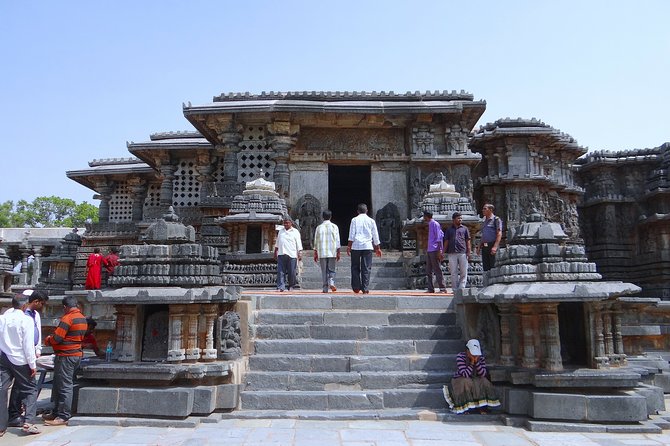
Your day starts with early pickup from Bangalore, then drive to Belur. The main attraction is Beluru Shri Chennakeshava Swamy Temple, and it’s not just pretty—it’s built to mark a win. The temple was constructed on the orders of Vishnuvadhana, a Hoysala king, to celebrate a significant victory in 1117 AD against the Cholas in the battle of Talakad.
What makes Belur special is the combination of scale and decoration. This temple is exceptionally large, and its ornamentation is described as very lavish. One detail I think you’ll appreciate: the decoration didn’t end with the original ruler. Add in the fact that the work continued after Vishnuvadhana and extended over nearly 103 years, and you get a sense that multiple generations cared enough to keep adding their mark.
The tour allocates about an hour at Belur. That’s enough time to walk the main areas and take in carvings, but not enough to study every panel like it’s a museum exhibit. If you want the best value from that hour, focus on pattern and texture: look for repetition of motifs, how pillars and ceilings break up space, and how scenes are framed.
A practical note: admission tickets for Belur aren’t included. So plan for a separate entry cost before you reach the ticket area, then you won’t feel rushed at the start.
Second stop: Halebidu Hoysaleswara Temple, plus the Nandi you can’t miss
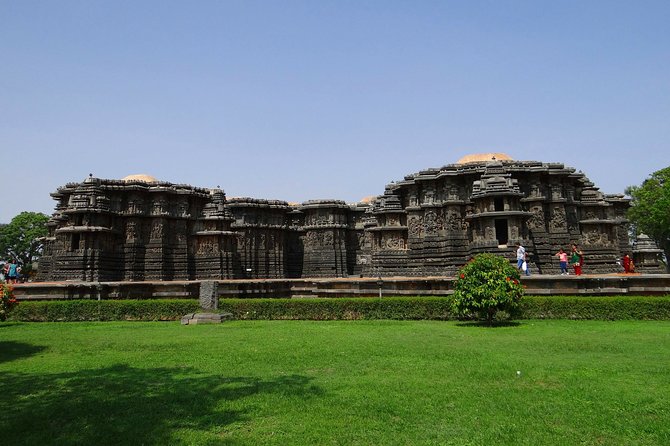
After Belur, the tour heads to Halebidu, historically known as Dwarasamudra, described as the gateway to the seas. Even if you don’t make it a full history lesson, the name helps you imagine Halebidu as a place connected to wider routes and worldliness—not just a local village temple.
Here you’ll visit the Hoysaleswara Temple, dedicated to Lord Shiva. Across from the temple stands a big statue of Nandi, which sets the tone instantly. This is one of those details that speeds up your orientation—if you’ve seen Shiva courtyards elsewhere, you’ll recognize the layout and feel less lost.
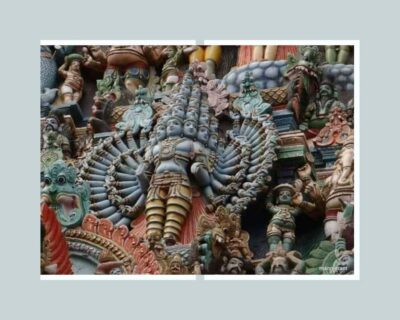
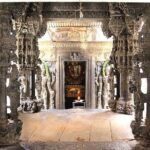
The Hoysaleswara Temple is also known for its carving intensity. It’s richly ornamented with intricately carved elements. There’s a lot to look at on the walls, including endless display of gods, human figures, animals, and scenes tied to war, hunting, music, and dance. The subject matter matters because it shows how temples were not only about worship; they were also visual storytelling in stone.
Construction took more than eighty years, and the temple was left uncompleted. I think this is one of the most interesting parts to experience in person because it adds texture to the imagination. Instead of a perfectly finished “finished product” feel, you get evidence of process and interruption, which makes the architecture feel more alive.
Like Belur, the allotted time is about an hour, and admission isn’t included. If you’re the type who can’t stop looking at carvings, you’ll leave wanting more—but this tour structure keeps the day realistic from Bangalore.
What to look for up close (so the carvings don’t blur together)
You’ll probably do plenty of walking, but the way you look matters. In these temples, details can feel almost too fine at first. I recommend using a simple scan: start broad, then narrow.
First, scan for the overall plan and how you’re positioned. Then bring your eyes to pillars and curved surfaces where carving depth creates shadows. You’ll often find that what looks like decoration from a distance becomes storytelling up close—figures, gestures, and action scenes in different registers.
Here’s the kind of detail that stands out in this area: people often note that pillars and crafted shapes look almost like they were made on a precise machine lathe. You don’t need technical vocabulary to enjoy it. Just look for symmetry, smooth transitions, and repeated motifs that feel engineered rather than random.
If you want a practical way to spend your hour at each site:
- Pick one wall panel to study for a few minutes.
- Then move to a pillar or ceiling edge to compare carving styles.
- Finally, take ten slow steps back and reassess the whole composition.
This approach helps you catch the Hoysala style features without getting stuck in frustration. And it keeps you from spending the entire hour staring in one spot.
Timing, transport, and how to handle a 6:00am start
This tour begins at 6:00am with pickup from your Bangalore hotel area. That early start is normal for a day trip to Belur and Halebidu, but it does change how you should prepare.
The total duration is about 13–14 hours. That includes travel time plus about an hour at each temple. It’s a long day, so your best friend is comfort: shoes you can walk in, and layers because mornings can be cooler while midday can warm up fast.
You’ll be in private transportation, which is a big deal for a day like this. It helps you keep a steady schedule, avoid guessing logistics on your own, and get to temple areas with less stress. It also means you don’t have to time your day around public transport timetables.
A small reality check: meals aren’t included. That means you should plan for your own snack and water strategy. Even if you eat on the way, having something small for the long gaps can make a big difference in how enjoyable the day feels.
Also, this tour uses mobile tickets and offers group discounts. Mobile ticket convenience matters if you hate last-minute paperwork, and group pricing can help if you’re traveling with friends or family.



Price and value: is $99 per person actually fair?
At $99.00 per person, the headline cost is low enough that it feels tempting. But the real question is value versus what you still pay separately.
This price includes private transportation. It does not include entry fees, meals, or a local guide. So your all-in cost will depend on ticket prices and what you choose to eat. If you were planning to hire a guide anyway, that’s a factor. If you’re happy to explore with self-reading and careful looking, you can keep your spend controlled.
Where this tour shines is the convenience of a focused route. You’re getting a single day plan with pickup and a private drive linking two high-demand temple sites. For many people, that removes the biggest hassle: figuring out how to coordinate transport to both Belur and Halebidu without wasting the day.
One more value signal comes from service quality in real booking experiences. Responses from the operator include a specific coordinator name: Jai Singh. In one account, the guest was staying at a hotel not listed for pickup, and the driver was arranged after a prompt response. That suggests the team is responsive when plans don’t match the default list.
Who should book this Belur and Halebidu day trip
This works best for you if you like temples, architecture, and close-up sculpture work, and you want a structured one-day plan from Bangalore. It also suits you if you prefer private transport over managing bus schedules and transfers.
It’s a good match for couples and small groups who want quiet time at the temples rather than a rushed circuit. If you’re traveling with kids, it can still work, but the long day and early start may be tough unless everyone is patient and enjoys historical places.
If you’re the kind of traveler who wants deep interpretation of symbolism, language, and temple history, note that a local guide isn’t included. You can still enjoy the carvings without that, but you’ll get more meaning if you bring curiosity and time to read what’s available on-site.
Alternatives if you’re price-shopping or flexible
If you’re trying to keep costs even lower or you want more control, there are public transport options. One practical detail that comes up often: KSRTC bus services can cover these areas in a day trip, and Sravanbelagola is also possible on a similar kind of routing. Belur is about 20 km from Hassan and around 175 km from Bangalore, which helps explain why day trips work.
I’m not saying you should skip this tour. The private transport here is what reduces friction. But if you’re comfortable managing schedules and you’d rather stay independent, buses can be a viable route.
Should you book this tour
I’d book it if you want an efficient, focused day that prioritizes two major Hoysala sites and keeps transport simple. The best-case experience here is about texture: carvings that reward careful looking, plus clear access to Belur’s victory-linked temple and Halebidu’s Shiva complex with Nandi opposite the entrance.
You should think twice if you’re counting on the tour to handle everything. Entry tickets, meals, and a local guide are not included, and the schedule is long with a 6:00am start. If you dislike early mornings or you want a lot of guided explanation, you may need to plan extra for tickets and food, and consider arranging interpretation separately.
If you do book, send a message ahead if your pickup details aren’t standard. In at least one case, the operator, Jai Singh, arranged a pickup when the listed hotel didn’t match the guest’s stay.
FAQ
How long is the Belur and Halebidu trip from Bangalore?
The tour lasts about 13 to 14 hours.
What time does the pickup start?
Pickup starts at 6:00am.
Which temples are included?
You’ll visit Beluru Shri Chennakeshava Swamy Temple and the Hoysaleswara Temple at Halebidu.
Are entry fees included in the tour price?
No. Entry fees for the temples are not included, and admission tickets are not included for both stops.
Is a local guide included?
No. A local guide is not included.
Are meals included?
No. Meals are not included.
What does the tour include for the price?
The tour includes private transportation.
Is pickup from my hotel included?
Pickup is offered, and the tour includes private transportation from your hotel area.
Is cancellation free?
Yes, free cancellation is available. You can cancel up to 24 hours in advance for a full refund.
Is this a private tour?
Yes. It’s a private tour/activity, and only your group will participate.