REVIEW · KOCHI
Kochi Heritage walk for cultural immersion
Book on Viator →Operated by 5 Senses Walks · Bookable on Viator
Spice, churches, and sea history on foot. This Kochi Heritage walk strings together Dutch, Portuguese, British, Chinese, and Jewish traces into one easy 3-hour route, from the Chinese fishing nets to the spice market. I love the way the guide connects each landmark to the wider port-city story, and I love how the walk mixes monuments with lived-in places like Fort Kochi beach and the market streets. One possible drawback: it is a steady walking route with multiple stops, so plan for some time on uneven sidewalks and curb edges.
You’ll get a small-group experience (up to 15), plus a mobile ticket, and the pace is designed for first-time orientation without turning it into a rushed checklist. The walk ends in Fort Kochi at the spice market area, which is handy if you want to keep wandering afterward.
In This Review
- Quick reasons this walk works in Fort Kochi
- Why this Kochi Heritage Walk feels like the real city
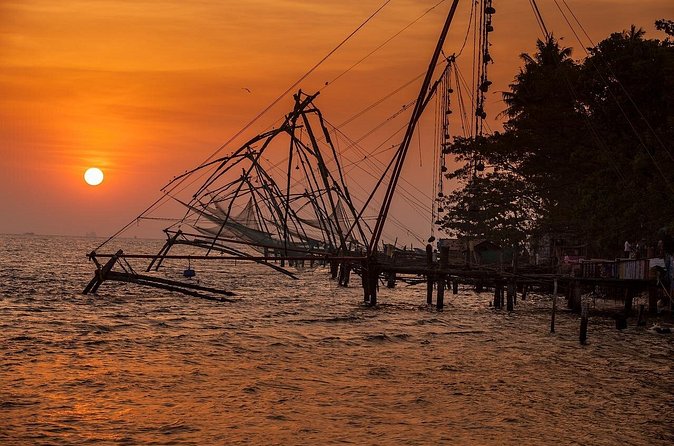
- Stop 1: Chinese Fishing Nets, or Cheena vala
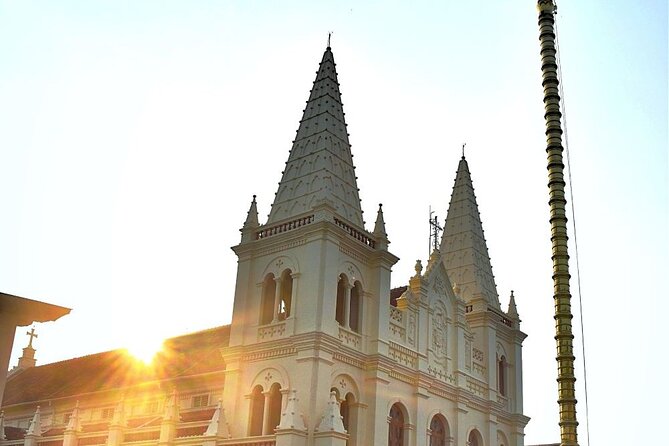
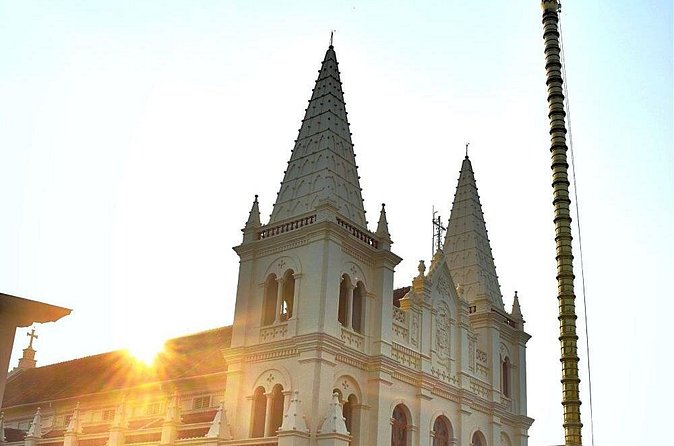
- Stop 2: Santa Cruz Cathedral Basilica and the Portuguese arrival
- Stop 3: Church of Saint Francis, from wood and mud
- Stop 4: Dutch Cemetery Road and the 1724 tombs
- Stop 5: Fort Kochi Beach, a breather with coastal context
- Stop 6: Cochin Spice Market and why spices pulled the world in
- What you actually get for the $55 price
- Who this tour suits best (and who might want something else)
- Small details that make the walk smoother
- Should you book this Kochi Heritage walk?
- FAQ
- FAQ
- How long is the Kochi Heritage Walk?
- Where does the tour start?
- Where does the walk end?
- How much does it cost?
- What is included in the tour price?
- Are snacks included?
- How big is the group?
- Is a mobile ticket provided?
- Is the tour near public transportation?
- Can I cancel for a refund?
Quick reasons this walk works in Fort Kochi
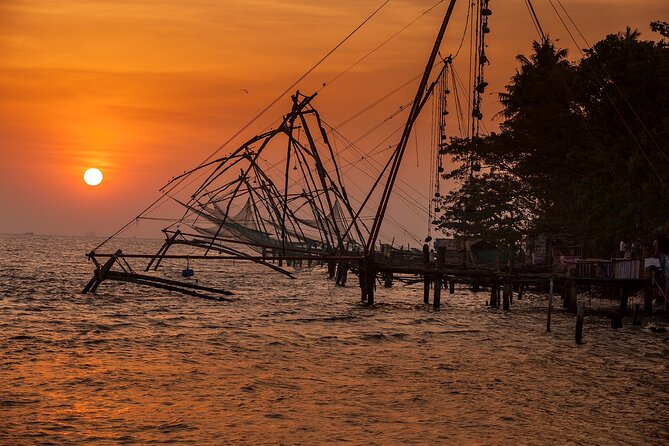
- Cheena vala (Chinese fishing nets): a clear visual landmark tied to Kochi’s trading connections.
- Portuguese-era landmarks: Santa Cruz Cathedral Basilica and the St Francis church help you spot European influence fast.
- Dutch Cemetery details: 1724 origins plus granite and red laterite tombs keep the story concrete.
- A beach stop with a purpose: Fort Kochi beach gives you a breather and a sense of the sea-facing trade city.
- Cochin Spice Market orientation: you’ll learn why spices drew visitors from far beyond Kerala.
- Small-group, guided pacing: you can ask questions at each turn without feeling lost.
Why this Kochi Heritage Walk feels like the real city
Kochi can feel like several towns stacked on top of each other, and that is exactly what this walk helps you sort out. Starting at the Chinese fishing nets and working through European-era churches and a Dutch cemetery gives you a clean timeline you can actually remember.
The best part is the balance between big monuments and everyday streets. You are not just looking at old walls; you’re walking through the same kinds of public spaces where trade, faith, and community life overlapped. And because the group is capped at 15, the guide can keep attention where it matters: the next stop, the reason it’s here, and what to notice on the street around it.
You can also read our reviews of more walking tours in Kochi

Stop 1: Chinese Fishing Nets, or Cheena vala
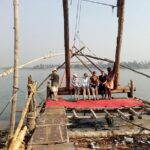
The walk begins at the Chinese fishing nets, known locally as Cheena vala. Even if you do not know any Kochi history yet, these nets give you something concrete to anchor your brain to: they are a distinctive regional symbol tied to the city’s trading past.
You’ll also start to see the port-city pattern right away. Kochi sat at the crossroads of routes, so communities and techniques traveled with the merchants who came through. This first stop is short (about 30 minutes), but it sets the theme for everything that follows.
What to watch for: the nets themselves, the way they sit in the coastal scene, and any local signage or explanations the guide points out. If you arrive around morning light, you’ll find it easier to take in details without the midday glare.
Stop 2: Santa Cruz Cathedral Basilica and the Portuguese arrival
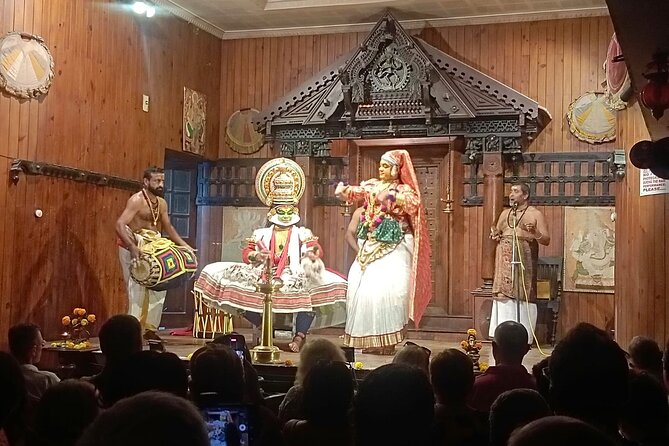
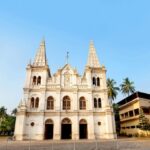
Next up is Santa Cruz Cathedral Basilica, a major landmark with Portuguese roots. The story starts with Portuguese missionaries arriving with the second Portuguese fleet under Pedro Álvares Cabral on 24 December 1500, which gives the site a specific moment in time rather than vague origin.
This stop matters because it shows how a trading port can become a religious and cultural meeting point. European influence in Kochi was not just architectural; it came through missions, communities, and the people who stayed long enough to build.
The practical side: the visit is timed for about 30 minutes, so it is not a deep museum experience. Go in expecting orientation and key facts, then use any extra time you might have on your own to linger if you want.
Stop 3: Church of Saint Francis, from wood and mud
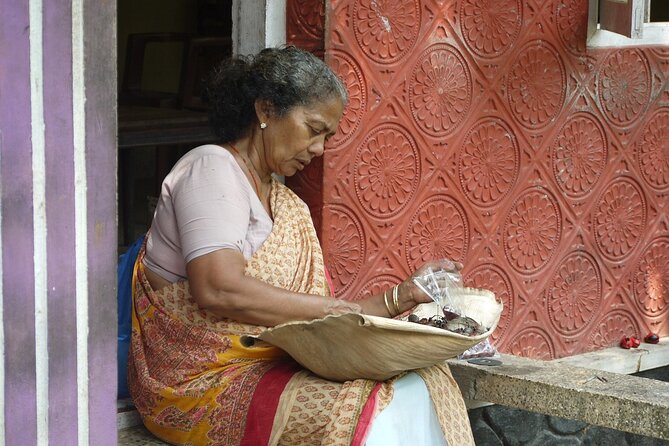
Then you move to the Church of Saint Francis, with origins dating back to 1503. It traces back to the Portuguese Franciscan Friars who reached Kochi along with Pedro Álvares Cabral, and the church’s earliest construction was of wood and mud.
That detail is one of those small facts that makes history feel real. You stop thinking of these sites as permanent stone and start imagining the early, practical efforts of people building in a new place.
What you’ll likely appreciate: the way the guide ties this church to the broader European thread running through Fort Kochi. It also helps you understand why these landmarks still matter in today’s city layout.
Potential consideration: if you are hoping for quiet contemplation, this part can feel more structured because the walk is a schedule-driven circuit.
Stop 4: Dutch Cemetery Road and the 1724 tombs
From churches, the tour shifts to the Dutch Cemetery area, established in 1724. This stop is brief (again around 30 minutes), but the information hits hard: there are 104 epitaphs and tombs, crafted from granite and red laterite.
This is where you really feel the port-city reality. The cemetery’s tombstones record lives of Dutch and British nationals who once lived in the region, which makes the cemetery more than a scenic roadside stop. It’s evidence of how international Kochi became, and how people who arrived for trade or duty could become part of the local story.
What to notice: tomb materials, the number of sites, and what the guide emphasizes about how the inscriptions reflect identity. If your favorite travel moments are reading markers and thinking about individual lives, you’ll enjoy this one.
You can also read our reviews of more historical tours in Kochi



Stop 5: Fort Kochi Beach, a breather with coastal context
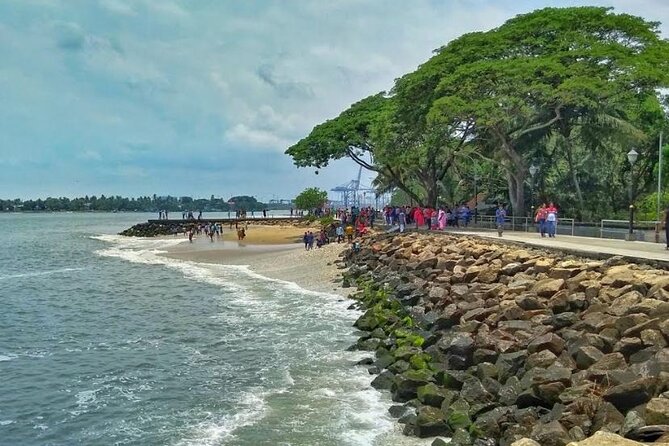
After the heavier history stops, you get a reset at Fort Kochi beach. The waterfront is known for its tranquil atmosphere and natural beauty, with golden sands along the Arabian Sea.
This stop works for two reasons. First, it gives your legs a break without ending the tour. Second, it re-anchors everything you heard earlier: Kochi’s cultural mix makes sense when you remember it is a sea-facing city shaped by movement of ships, people, and goods.
Timing tip: if you’re going on a warmer day, this can be a good moment for a quick cool-down. Keep an eye on sun and wind because beach weather can shift quickly.
Stop 6: Cochin Spice Market and why spices pulled the world in
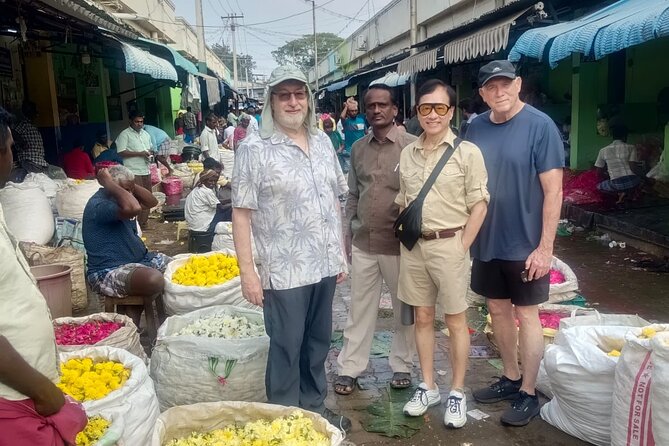
The final stop is the Cochin Spice Market, and it’s positioned as the payoff after you’ve learned why Kochi mattered. Kochi has been a spice trading center since ancient times, and the market story connects it to Greeks, Romans, Chinese, and Arabs.
That global list is useful because it helps you picture Kochi as a destination with demand—spices weren’t just a local product, they were a reason people traveled. By the time you reach the market, you are no longer seeing it as just shopping streets. You’re seeing it as a historical hub that kept drawing outsiders.
How to use the stop: go with your senses. Notice the way spices are grouped, how vendors talk about ingredients and blends, and what items people buy for cooking at home. The guide may not turn it into a buying lesson, but you’ll likely leave knowing what to ask for if you decide to pick up something.
The walk ends at the village spice market area at Bazaar Rd in Mattancherry (Fort Kochi).
What you actually get for the $55 price
At $55 per person for about 3 hours, this walk sits in the “worth it if you want orientation” category. You are paying for more than walking: you’re paying for a guide to connect European, Chinese, British, and local Kerala threads into one route you can remember.
The included items help too:
- a guide
- coffee and/or tea
- entrance fee(s) for the included stops
What you should plan for: snacks are not included, so if you know you get hungry, bring a small bite or plan to buy something after the walk. Also, since the tour is capped at 15, you typically get better attention than you would on larger coach-style tours.
If you enjoy history but hate reading panels on your own, this format can feel like the best of both worlds: short stops, clear stories, and a finish at a place where you can keep exploring.
Who this tour suits best (and who might want something else)
This Kochi Heritage walk is a strong fit if you want a guided path through Fort Kochi’s main cultural landmarks in a short time. It also works well if you like your history grounded in real neighborhoods: nets by the water, churches in the old-quarter streets, cemeteries that show international ties, and a spice market that still shapes daily life.
It may be less ideal if you want long, slow museum-style visits at a single site. Everything here is designed to move—six stops, about half an hour each—so you’ll spend more time connecting dots than lingering in one place.
If you are traveling with mixed interests, this is also a good compromise. Churches and the Dutch cemetery satisfy history fans, while the beach and market give everyone something to see and do.
Small details that make the walk smoother
A few pieces of setup make it easier to enjoy:
- Group size stays small (maximum of 15 travelers).
- You get a mobile ticket, which reduces the need to juggle paper vouchers.
- The start point is near public transportation, so you should be able to reach it without major hassle.
- Most people can participate, since it is a walking tour rather than a specialty activity.
Also, there’s a practical advantage to a tour that ends at a shopping street area: when you finish, you’re already in the zone where you might want to wander for snacks, drinks, or souvenirs.
Should you book this Kochi Heritage walk?
Book it if you want an efficient Fort Kochi overview that links multiple cultural influences into one coherent route. This is the kind of walk that helps you understand why Kochi looks the way it does and why spices and seafaring drew so many outsiders over the centuries.
Skip it (or consider pairing it with other plans) if you prefer long stays at a single landmark, or if you dislike structured walking schedules. In that case, you might enjoy more self-guided time after you’ve gotten your bearings.
FAQ
FAQ
How long is the Kochi Heritage Walk?
The walk lasts about 3 hours.
Where does the tour start?
It starts at the Chinese Fishing Nets (Cheena vala) in Fort Vypin, Puthuvype, Kochi, Kerala.
Where does the walk end?
It ends at the village spice market area at Bazaar Rd, Mattancherry, Kochi.
How much does it cost?
The price is $55.00 per person.
What is included in the tour price?
The tour includes a guide, coffee and/or tea, and entrance fees.
Are snacks included?
No, snacks are not included.
How big is the group?
The group has a maximum of 15 travelers.
Is a mobile ticket provided?
Yes, the tour uses a mobile ticket.
Is the tour near public transportation?
Yes, it is listed as being near public transportation.
Can I cancel for a refund?
Cancellation is free up to 24 hours in advance for a full refund. If you cancel less than 24 hours before the start time, the amount paid is not refunded.