REVIEW · CHENNAI
Chennai: Mylapore Walk for an immersive cultural experience
Book on GetYourGuide →Operated by 5 Senses Tours · Bookable on GetYourGuide
A good walk starts before you reach the first temple. This one pulls together Chennai’s layered past, from Roman trade stories to Portuguese and British rule, then lands you inside four very different places of worship. I especially like how the guide explains the why behind rituals (not just what you’re seeing), and I like the variety: Hindu, Jain, and Christian architecture all in one compact loop. One thing to plan for: the religious sites have strict dress rules and you’ll remove footwear.
I also appreciate the small, human feel. In past group experiences, guides such as Kannan, Kalpana, Harish, and Jaunth are called out for staying upbeat and adjusting the pace when the group needs it. Still, this is a walking tour, so if you’re hoping for long seat time or lots of stops to rest and snack, you’ll want to think ahead.
In This Review
- Quick Hits: Why This Mylapore Walk Works
- Mylapore’s Religious Mix: Where It All Clicks
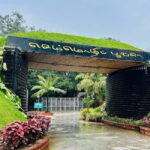
- Meeting at Ramakrishna Math: The Starting Point With Purpose
- Universal Temple, Mantapam, Museum, and Library
- Kapaleeswarar Temple: Dravidian Form and Ritual Logic
- Vasupujya Swami Jain Temple: Shwetambara Ambience in Marble
- St Thomas Cathedral Basilica: Apostle Thomas in Neo-Gothic Style
- Price and Time: Is $49 Worth It for 2.5–3 Hours?
- Small Groups, Optional Pickup, and the Walking Reality
- Dress Code and Temple Etiquette: Don’t Let Paper Cuts Ruin the Day
- Who This Walk Fits Best
- Should You Book This Chennai Mylapore Walk?
- FAQ
- What sites are included on the Mylapore walk?
- How long is the tour, and is it in English?
- What is the meeting point?
- Is hotel pickup available?
- What should I wear?
- Do I need to remove my footwear?
- Is food included in the price?
Quick Hits: Why This Mylapore Walk Works
- Ritual-logic explanations that help you understand why so many gods and ceremonies show up in daily life
- Ramakrishna Math’s universal temple plus a multimedia museum and a library stop
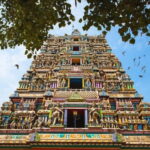
- Kapaleeswarar Temple: a 7th-century Dravidian-style site where the gopuram sets the tone
- Vasupujya Swami Jain Temple: Shwetambara worship in an architecture-first setting
- St Thomas Cathedral Basilica: neo-gothic Portuguese-era church with apostle St Thomas relics
Mylapore’s Religious Mix: Where It All Clicks
Mylapore is one of those Chennai areas where religion isn’t a separate “topic.” It’s part of the street-level rhythm—processions, prayers, architecture, and everyday conversation. The tour’s main value is that it doesn’t treat each site like a museum piece. Instead, it helps you connect the dots between traditions that often get kept in separate boxes back home.
What I think makes this walk click is the focus on reasoning. You don’t just look at statues and carvings. You get the guide’s framing for why rituals exist, why temples feel the way they do, and why different faiths can share the same city space. That turns a quick sightseeing loop into something more like a guided orientation to how Chennai thinks and worships.
You’ll also walk through a timeline. The route traces local history back to Roman times, when Mylapore traded pepper and fine cloth with Rome in exchange for gold. Then you move forward to the Portuguese occupation in the 16th century, and later British control until independence in 1947. That historical thread gives the religious sites extra weight, because you understand them as part of a place that kept changing hands—and kept beliefs alive.
You can also read our reviews of more tours and experiences in Chennai.
Meeting at Ramakrishna Math: The Starting Point With Purpose
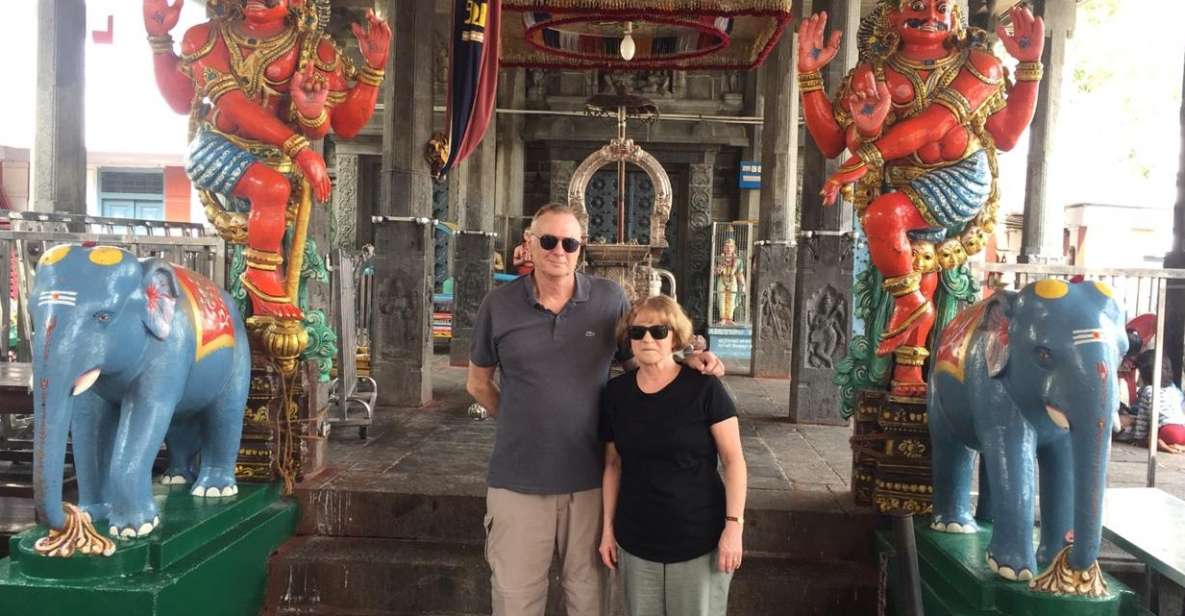
You’ll meet your guide at the entrance of Ramakrishna Math in Mylapore. The plan is intentionally simple: start in one monastic space, then walk your way into other sacred worlds. The guide’s job here is more than introductions. They set the tone for how to look at what comes next.
Ramakrishna Math is dedicated to Sri Ramakrishna, a 19th-century saint. That matters because it shapes the tour’s worldview: this isn’t only about one tradition winning the day. It’s about how different paths can point toward something shared—spiritual practice, ethical living, and disciplined thought.
In past experiences led by different guides (Kannan, Kalpana, Harish, and Jaunth show up in the guide roster), the explanation style seems consistent: clear, conversational, and built to keep you from feeling lost. If you’re traveling solo or with a mixed group, that’s a big plus. You’ll get a storyline that holds together even if you’re brand-new to these places.
Universal Temple, Mantapam, Museum, and Library
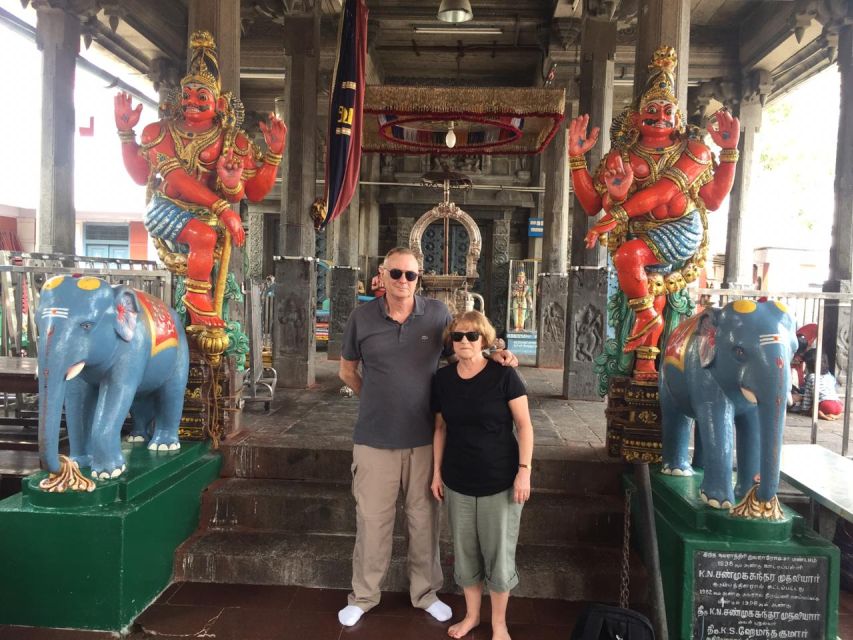
Before you step into the more famous “big” temples, you get a meaningful primer inside Ramakrishna Math. The stop includes the universal temple and the shrine, plus a beautiful mantapam. That word matters here because a mantapam is where community and ritual space overlap—think of it as a pause zone that makes the religious experience feel less hurried.
You’ll also be shown the multimedia museum and an actual library. Not every religious tour includes anything like that, and I like it because it gives your eyes something to hold onto. Architecture can look impressive, but context helps you read it. When you understand what you’re looking at—stories, teachings, and how the institution thinks—you end up remembering details instead of just photos.
Ramakrishna’s teaching is described in the tour as secular preaching, meaning the message is framed to reach beyond narrow boundaries. On a walk like this, that framing becomes a bridge. It’s one reason the later stops feel less like disconnected “religion tourism,” and more like a sequence of ideas.
Kapaleeswarar Temple: Dravidian Form and Ritual Logic
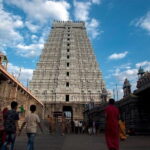
Next comes Kapaleeswarar Temple, built in the 7th century and dedicated to Lord Shiva. This is where the architecture grabs you fast. The temple’s Dravidian style shows up in the towering gopuram—your visual anchor point as you approach.
But the standout part isn’t only the scale. The guide focuses on the logic behind the rituals. That’s what helps first-timers. Without that explanation, it’s easy to treat temple ceremonies as a show you simply watch. With the guide, you start noticing patterns: why certain actions happen at certain moments, what the ceremony is trying to communicate, and how worship flows inside the space.
Inside, expect a mix of mesmerizing ritual movement and a calm that feels almost procedural. It’s a place where you’re both an observer and a participant in the sense that your behavior matters—how you stand, where you look, and when you stay quiet.
One practical point: the dress code is strict here and in other temple spaces. You’ll want to have covered shoulders and knees, and you’ll remove footwear before entering temples. If you forget, it can slow you down and make the whole pace feel less smooth.
Vasupujya Swami Jain Temple: Shwetambara Ambience in Marble
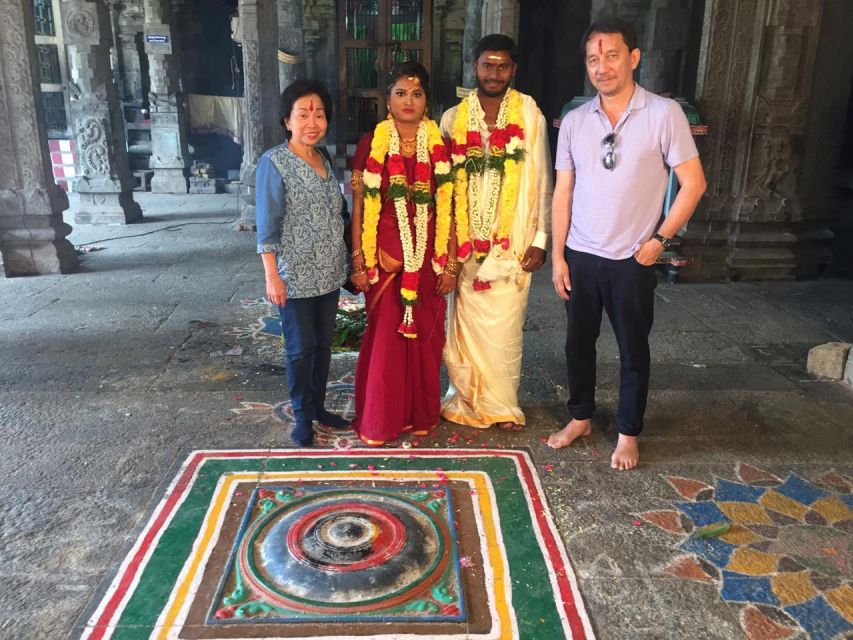
After Shiva worship, the tour shifts to Jain tradition with a visit to the Vasupujya Swami Jain Temple. It’s a Shwetambara Jain temple, dedicated to Lord Mahavira and the other 24 Tirthankaras (spiritual teachers). That lineup is one reason this stop is more than a different “color palette” of religion. It’s a different spiritual map.
What I like about this Jain temple visit is the way it adds balance. You feel the religious diversity of Mylapore in physical form—architecture, mood, and the overall atmosphere of worship. The temple is described as having an impressive architecture and a spell-binding ambience, and that fits the feeling you should expect: quiet focus, careful detail, and a space that reads as intentionally designed for contemplation.
This stop is also a good place to ask yourself what you’ve learned so far. The earlier temple explanation helps you understand ritual logic in a general way. Now, in Jain space, you’ll see how the logic translates into a different religious vocabulary: different figure emphasis, different worship style, and a different sense of what “reverence” looks like.
And yes, the architecture is a major part of the experience—one guide-led walk includes praise for beautiful marble work here. If you love places where design supports belief, you’ll probably enjoy lingering a bit as long as you follow on-site guidance.


St Thomas Cathedral Basilica: Apostle Thomas in Neo-Gothic Style
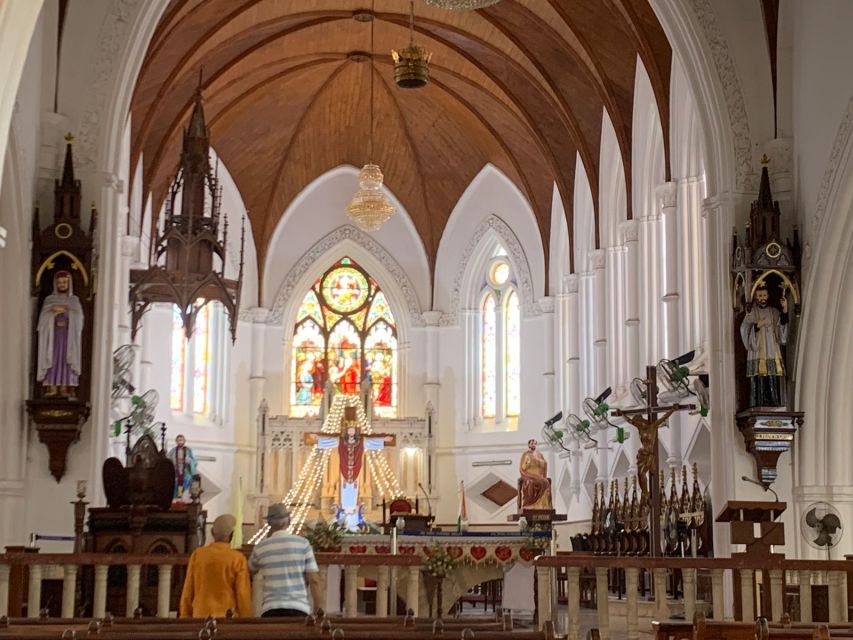
Then the walk moves from temple space into Christian architecture, and it feels like stepping into another chapter of the city. St. Thomas Cathedral Basilica—also called San Thome Basilica—is the principal church of the Roman Catholic Archdiocese of Madras and Mylapore.
The building style is neo-gothic, built by Portuguese explorers in the 16th century. That Portuguese connection loops back to the broader history thread you started earlier, which is smart. It stops the tour from feeling like “random stops” and turns it into a coherent route through Mylapore’s layered identity.
Here’s the heart of the visit: you’ll have a chance to see the shrine containing relics of apostle St Thomas. The tour frames it as a tradition tied to St Thomas arriving about 2000 years ago. Whether you approach the story with deep faith or simple curiosity, it gives the architecture meaning. This isn’t just a pretty cathedral facade; it’s a focal point for a long-running religious belief.
If you’re the type who likes understanding why sacred spaces are built the way they are, you’ll probably appreciate this stop for its combination of history, style, and physical symbolism.
Price and Time: Is $49 Worth It for 2.5–3 Hours?
At $49 per person for roughly 2.5–3 hours, the value is mainly in the guide’s interpretation and the fact that you’re covering four major faith sites without having to plan transit between them.
You also get entrance charges included, and a live English guide. That matters because temple and religious-site entry can add up—plus you don’t want to waste your limited time figuring out where to go, what to do, and what to pay. A timed walk format helps you do the “greatest hits” route while still getting real explanations, not just a quick look-and-go.
Food is not included. So if you do this as part of a tight day plan, bring your own water and keep a snack strategy in mind. Some guides have been flexible with quick breaks when the group needs energy, but you can’t count on that every time.
Overall, this tour is strongest if you have a half-day in Chennai and want to understand the city’s religious logic rather than treat places as photo backdrops.
Small Groups, Optional Pickup, and the Walking Reality
This experience runs as private or small groups, and that’s usually what makes religious-site visits feel less stressful. You get a better chance for questions, and the guide can keep the pace matched to the group’s comfort.
Pickup is optional at the hotel lobby, depending on your selected option. Drop-offs include two locations in Chennai: Chennai Lighthouse and another spot in Chennai, so you can usually end without having to immediately scramble for your next mode of transport.
Still, remember: you’re walking. The stops include several guided segments, with about 45 minutes at each major site and cathedral time also built into the flow. That’s enough to see important things without turning the tour into an all-day marathon.
Dress Code and Temple Etiquette: Don’t Let Paper Cuts Ruin the Day
The biggest “make or break” for this tour is clothing. You cannot wear shorts, short skirts, or sleeveless shirts. The dress code asks you to cover knees and shoulders.
You also remove footwear before entering temples. That’s common in India, but it’s worth repeating because it affects what you pack (slip-on shoes you can handle quickly are a big help).
If you want a smooth experience, wear breathable fabric, keep accessories minimal, and plan on a little bit of downtime while shoes come off and bags are handled. The tour’s schedule is tight enough that small delays can add up.
Who This Walk Fits Best
This is ideal if you:
- want a clear introduction to Chennai’s religious landscape in one compact route
- enjoy guides who explain the “why” behind rituals
- have limited time and want to hit key places like Kapaleeswarar Temple and St Thomas Cathedral
- are traveling with friends or family who like variety, not just one style of sightseeing
It’s also a good choice for cultural-curious travelers who don’t need a deep theology lecture, but do want context that makes ceremonies and architecture easier to respect and understand.
If you’re someone who only wants quiet, open-ended wandering, you might find a guided pace a bit structured. But if you’re open to learning, it’s exactly the kind of structure that makes the day feel worth it.
Should You Book This Chennai Mylapore Walk?
I’d book it if you want a guided route that connects history, architecture, and ritual logic across Hindu, Jain, and Christian sites. The strongest reason is the explanation angle—understanding ceremonies and the purpose behind temple practices makes each stop more meaningful, not just more impressive.
Skip it (or adjust expectations) if you’re not comfortable with dress-code rules or you’re expecting lots of food breaks and long lounging time. This is a 2.5–3 hour walk built around sites and learning, not a meal-and-shopping tour.
If your goal is to leave Chennai with a clearer sense of how Mylapore holds multiple faiths in the same streets, this is one of the more efficient ways to do it.
FAQ
What sites are included on the Mylapore walk?
The walk includes visits to Ramakrishna Math, Kapaleeswar Temple, a Jain Temple (Vasupujya Swami Jain Temple), and St. Thomas Cathedral Basilica (San Thome).
How long is the tour, and is it in English?
The duration is 2.5 to 3 hours, and the live tour guide speaks English.
What is the meeting point?
You meet your guide at the entrance of Ramakrishna Mutt Temple, Myapore. Your guide’s phone number and picture are shared a day earlier.
Is hotel pickup available?
Pickup is optional. The pickup option depends on what you select.
What should I wear?
Shorts, short skirts, and sleeveless shirts are not allowed. You’ll need to cover your knees and shoulders.
Do I need to remove my footwear?
Yes. Footwear needs to be removed before entering temples.
Is food included in the price?
No. Food is not included.