REVIEW · CHENNAI
Chennai Walk of Divinity (2 Hours Guided Walking Tour)
Book on GetYourGuide →Operated by Yo Tours · Bookable on GetYourGuide
Chennai’s spirituality has street-level texture. This 2-hour walk is interesting because it’s a journey inwards, using three temple stops to connect religion with how people explain the world.
I like the way the guide turns ordinary walking into story time, with a very practical focus on what you’re seeing and why it matters. I especially like the hidden lanes and side routes, because they help you experience Chennai as something lived-in, not staged.
One consideration: the quality can depend heavily on the guide and punctuality, so if you’re hoping for a very structured, deep explanation of faith and science connections, pick a time slot and be ready to ask questions early.
In This Review
- Key things you’ll notice on this Walk of Divinity
- Walking Chennai with a spiritual lens
- Marundeeswarar Temple: Shiva as Aushadeeswarar and the theme of healing
- Pamban Swami Temple: devotion directed toward a religious scholar
- Ashtalakshmi Temple: Lakshmi worship in a compact, focused visit
- Hidden lanes and the payoff of a story-forward guide
- Price and value: does $18 make sense for this experience?
- When to go and what to bring for comfort
- Should you book this Chennai Walk of Divinity?
- FAQ
- How long is the Chennai Walk of Divinity?
- What temples does the tour include?
- What language will the guide speak?
- What should I bring?
- Is there free cancellation?
- How much does it cost?
Key things you’ll notice on this Walk of Divinity
- A walk that moves from outward sightseeing to inward meaning
- Marundeeswarar Temple and Shiva as Aushadeeswarar, linked to healing and medicine
- Pamban Swami Temple, devoted to a major Hindu religious scholar
- Ashtalakshmi Temple, with worship centered on Lakshmi
- Hidden lanes plus conversation that covers real local life
- English and Hindi guides, with guide style varying by day and person
Walking Chennai with a spiritual lens

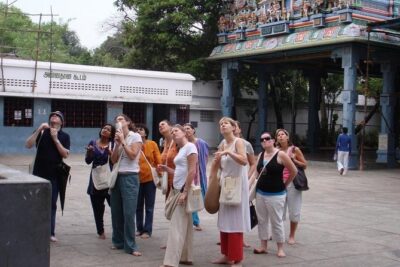
This tour is built around the idea that faith isn’t only about big ceremonies. You walk, you look, you listen, and the story tries to reframe how you interpret what you’re seeing. The promise is that the experience can feel different from your usual city sightseeing—more reflective than checklist-y.
It also has a practical edge. You’re not just watching temple architecture from a distance; you’re walking through the city fabric around these places. That’s where the tour can become memorable fast, especially if you like conversations that connect what’s on the ground with the bigger meaning behind it.
If you’re the kind of traveler who enjoys asking why people believe what they believe, you’ll get more from this than someone who only wants photos. If you want a purely academic explanation or a guaranteed “science-to-spirituality” lecture, you might find the vibe more interpretive than technical.
You can also read our reviews of more walking tours in Chennai



Marundeeswarar Temple: Shiva as Aushadeeswarar and the theme of healing
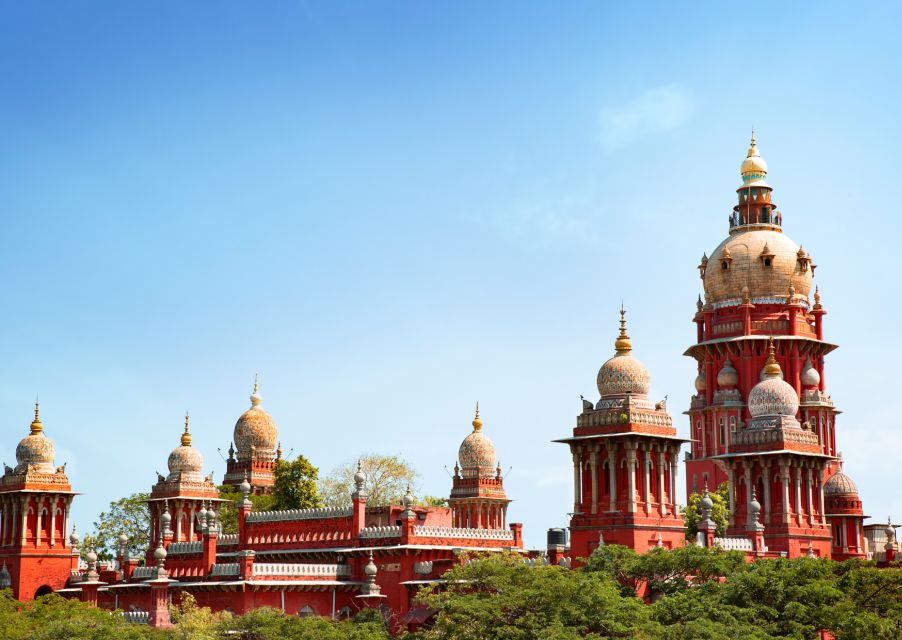
The first major stop is Marundeeswarar Temple, dedicated to Shiva in the form of Aushadeeswarar, the God of Medicines. That single detail changes how the place can feel. It’s not only about devotion; it’s also tied to curative worship—people coming here for help with diseases.
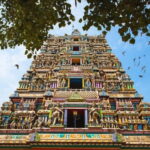
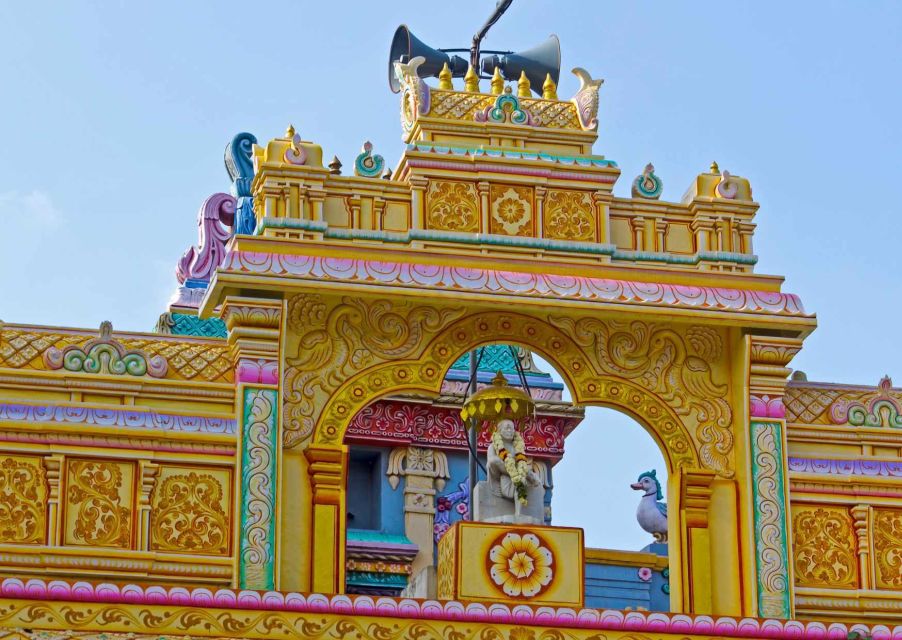
You’ll see Dravidian architecture, the temple style that signals South Indian tradition at a glance. Tall, sculpted elements and the strong geometry of the complex tend to make the whole environment feel purposeful and grounded. Even if you don’t know the terminology, your eyes will catch the patterns and the sense of order.
What makes this stop especially valuable is the tour’s framing. The “medicine” angle gives you a bridge: spirituality as something that people use to understand suffering, hope, and healing. The guide is there to help you connect the dots between belief and the human need for relief—then you decide how you interpret the deeper claims.
A small practical tip: temples can involve tight, crowded spaces and uneven surfaces near entrances and corridors. Comfortable shoes matter here—this is a walking tour, not a take-a-peek-and-leave setup.
Pamban Swami Temple: devotion directed toward a religious scholar
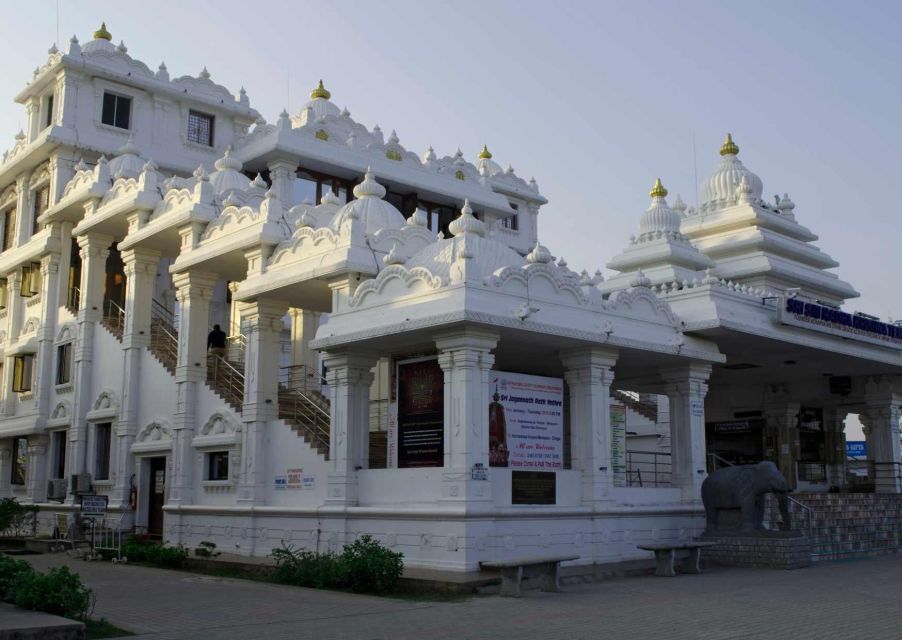
Next comes Pamban Swami Temple, devoted to Pamban Swamigal, a Hindu religious scholar. This stop shifts the focus slightly—from deity as healer to deity-and-ideas as guidance. In practice, that means you’re likely to hear stories about what scholars contributed to faith and how teachings shaped community life.
This can be a great contrast stop. If Marundeeswarar gives you a personal, health-and-healing lens, Pamban Swami gives you a thinking-and-guidance lens. Even if you’re not deeply religious yourself, you may enjoy how the guide explains the role of scholars in preserving and interpreting tradition.
One drawback to flag: some people want more of that inward “science and logic beyond the framework” feeling at this point, and the tour may not always deliver in the exact way everyone expects. The experience depends on your guide’s style and how much time they spend unpacking connections rather than just describing sites.
If you care about meaning, this is where you should ask questions early. Ask how the scholar’s ideas connect to what you see in worship practices today. When the guide is strong, those answers are often where the tour earns its name.
Ashtalakshmi Temple: Lakshmi worship in a compact, focused visit
The final highlighted stop is Ashtalakshmi Temple, dedicated to goddess Lakshmi. Lakshmi worship often carries themes of prosperity, well-being, and household blessings, and a temple dedicated to her can feel emotionally different from Shiva-focused spaces. You’ll likely notice how worship here can feel more oriented toward daily life and ongoing hopes.
Because this tour is only two hours, each temple visit has to do a lot with limited time. That can be a plus. You don’t get dragged through long temple explanations that blur together. Instead, you get three distinct lenses—healing, scholarship, and goddess devotion—without the fatigue that can come from a longer temple route.
The “value” in the Ashtalakshmi stop is its role in the overall arc. It balances the earlier themes. If your brain is building a personal model of what the tour is trying to say—spirituality as a system people live by—Lakshmi helps round that model out.
Again, go in expecting to walk and listen, not to linger for hours. If you love slow, independent exploring, you might come away wanting more time at your favorite stop after the guided portion ends.
Hidden lanes and the payoff of a story-forward guide
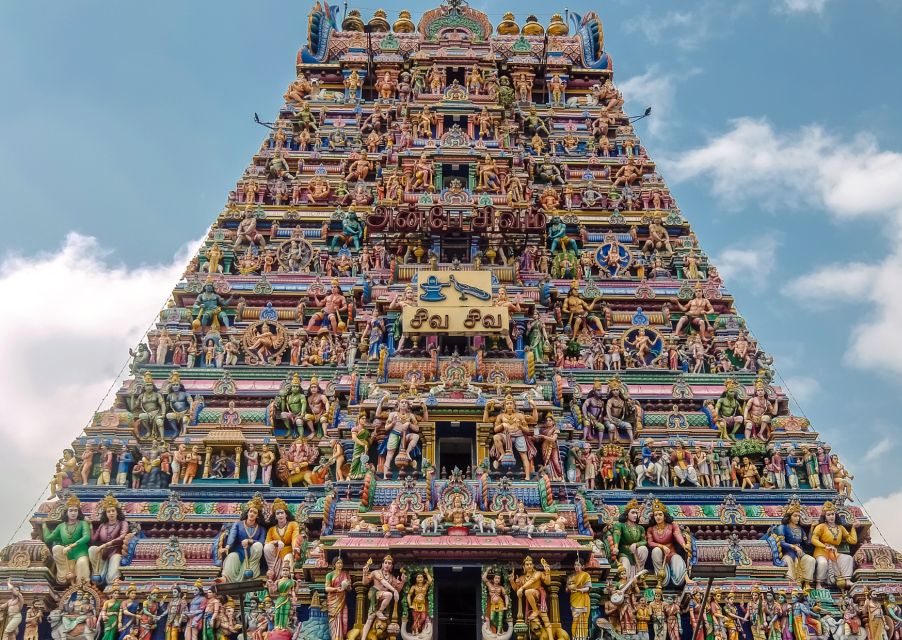
A big part of the tour’s appeal is access to hidden lanes and places. That’s where Chennai starts to feel less like a set of landmarks and more like a living city. Narrow streets, everyday storefronts, and neighborhood rhythms can help you understand how temple life connects to regular life.
This is also where the included “great conversations” show up. A well-run guided walk uses stories as waypoints. Instead of lecturing every minute, a good guide helps you interpret details you’d otherwise miss—like how worship fits into community routines or why a particular temple form matters.
Language support matters too. This tour includes a guide who can speak English and Hindi, which can make a huge difference if you’re trying to ask follow-up questions. From the experiences shared by past guests, guides such as Kavin and Manikanda Perumal have been described as patient and attentive—especially when people asked lots of questions.
Local tips are part of the value proposition as well. You may get practical advice on things like negotiating for basics (and you might also be guided on purchases such as flowers, water, or juice). That’s not glamorous, but it saves time and reduces stress.
One thing to keep in mind: several negative experiences point to inconsistent execution—like a guide arriving late, missing the meeting, or not showing up at all. On days like that, even a great itinerary on paper won’t matter. If you book, I’d treat the tour as a guided walk where you should confirm the plan promptly once you receive details.
You can also read our reviews of more guided tours in Chennai




Price and value: does $18 make sense for this experience?
At about $18 per person for a 2-hour guided walking tour, the question is whether you’re getting more than basic temple entry-level storytelling. In my view, the price can be fair if you land with the right guide and if you’re the type of traveler who enjoys questions and conversation.
You’re not just paying for walking. You’re paying for:
- Storytelling with context about the temples and worship focus
- Access to side streets and lanes that help the city feel real
- Local recommendations that can save money and improve your remaining day
- A guide who can answer questions in English or Hindi
If you’re hoping for a highly structured “religion + science” framework that’s delivered the same way every time, this is harder to guarantee. The tour clearly aims for perspective change, but execution varies.
Also, you should plan for small extras. A water bottle isn’t included, so bring your own or budget for one nearby. That alone can add a few dollars to your day, though it won’t ruin the value. Just don’t assume the guide will hand you everything.
When to go and what to bring for comfort
This walk lasts two hours, so it’s ideal if you want an early introduction to Chennai without committing to a full day. It can work well for first-day orientation too—especially because it includes neighborhood walking and local guidance, not only temple snapshots.
Time of day matters. One set of past experiences specifically recommends booking the afternoon/evening slot. The reason is usually simple: you get the chance to experience temples and streets in more comfortable light and potentially less punishing heat than the most intense part of the day. If you’re sensitive to sun and long walks, choose your time with the weather in mind.
What you should bring is straightforward:
- Comfortable shoes (seriously)
- Water, since it’s not included
- A willingness to ask questions, especially about the meaning behind what you’re seeing
If you enjoy shopping or small temple offerings, the guide’s local tips can help you avoid overpaying and keep things respectful and easy.
Should you book this Chennai Walk of Divinity?
Book it if you want a short, story-driven temple walk that tries to connect meaning, belief, and everyday life. This can be a strong choice for travelers who enjoy asking why worship looks the way it does, and who like walking through neighborhoods rather than only photographing monuments.
Skip it—or at least go in with eyes open—if punctuality and guide consistency are make-or-break for you. The negative experiences you should take seriously are the ones involving the guide not arriving or arriving late without resolution. If you’re the type who needs a guaranteed, step-by-step deep explanation of spirituality and science, consider choosing the time slot carefully and be ready to communicate early.
If you’re flexible and curious, this walk can turn three temple stops—Marundeeswarar (Aushadeeswarar), Pamban Swami, and Ashtalakshmi—into a single, reflective route through Chennai’s spiritual heartbeat.
FAQ
How long is the Chennai Walk of Divinity?
The tour lasts 2 hours.
What temples does the tour include?
It highlights Marundeeswarar Temple (Shiva as Aushadeeswarar), Pamban Swami Temple, and Ashtalakshmi Temple (Lakshmi).
What language will the guide speak?
The guide is listed as speaking English and Hindi.
What should I bring?
Bring comfortable shoes. A water bottle is not included.
Is there free cancellation?
Yes, free cancellation is available up to 24 hours in advance for a full refund.
How much does it cost?
The price is $18 per person.