REVIEW · CHENNAI
Day trip to Kanchipuram from Chennai
Book on Viator →Operated by Chennai 5 Senses Tours · Bookable on Viator
Kanchipuram turns a road trip into a history lesson. This day trip from Chennai focuses on two heavyweight temples plus a hands-on look at traditional silk sari making, so you don’t just see monuments—you understand the craft behind the famous cloth. The best part is how the day stays organized while still feeling personal thanks to a private guide.
I really like two things: the round-trip transfers from your hotel or the airport, and the chance to watch silk work up close. Lunch is included at no extra cost too, which sounds minor until you’re doing temple time in Tamil Nadu heat.
One consideration: it’s a long, concentrated 8-hour day, so you’ll want comfortable shoes and a little patience for temple crowds and ticket lines when you arrive.
In This Review
- Key highlights you should care about
- Kanchipuram from Chennai: what makes this day trip click
- Getting there: hotel or airport pickup that saves your day
- The private guide part: what you actually gain
- Stop 1: Ekambareswarar Temple and the power of stone carvings
- Stop 2: Kailasanathar Temple—vimana drama and the gopuram over the sanctum
- Stop 3: Kanchipuram silk culture—sari weaving and jacquard loom detail
- Lunch included: the smartest way to handle a long temple day
- Timing and pacing: why 8 hours feels full but manageable
- Value for $122.67 per person: what you’re really paying for
- Who this day trip suits best
- What to do before you go (so the day feels easy)
- Final verdict: should you book this Kanchipuram day trip?
- FAQ
- How long is the Kanchipuram day trip from Chennai?
- Does the tour include pickup and drop-off?
- Is lunch included?
- Which temples are visited?
- Are admission tickets included?
- Is this a private tour?
- What happens if the weather is poor?
- What is the cancellation policy?
Key highlights you should care about
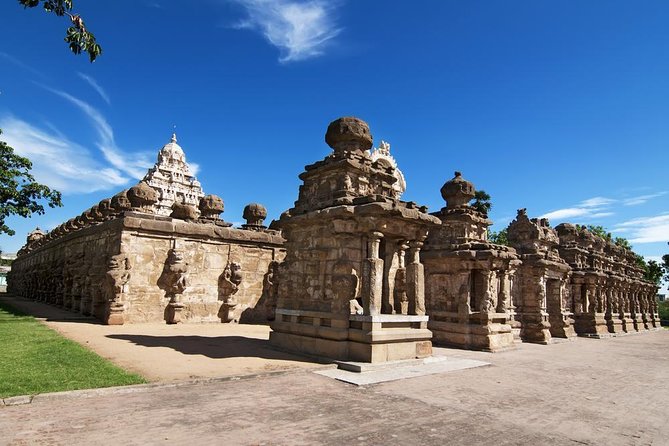
- Ekambareswarar Temple sculptures: stone carvings with a lot of detail to study without rushing.
- Kailasanathar Temple’s big forms: especially the vimana and the gopuram over the sanctum.
- A real silk-weaving stop: watch sari production using jacquard looms when the day’s schedule allows.
- A guide who can connect the dots: my favorite moments were the explanations that made the temples feel less like ruins and more like living art.
- Lunch included: one less decision during a day that runs tight and warm.
Kanchipuram from Chennai: what makes this day trip click
Kanchipuram is one of those places where the details matter. Yes, you’re going for famous temples. But what makes the trip worth your time is the mix: monumental stone architecture in the morning, then a direct look at the silk culture that the region is known for.
This tour is built for people who want a smooth day without playing logistics roulette. With pickup and a guide handling the transitions, you can focus on what’s in front of you: carving, proportions, and craft techniques. Even if you’ve only heard Kanchipuram mentioned for silk saris, you’ll leave with a much clearer picture of why the town matters.
You can also read our reviews of more tours and experiences in Chennai



Getting there: hotel or airport pickup that saves your day
Your day starts with round-trip transfers from your Chennai hotel or the airport. That matters more than it sounds. Chennai traffic can be unpredictable, and a guided schedule means you won’t lose the best temple hours figuring out local transport.
You also get a mobile ticket, which is handy if your group is splitting for small moments (restrooms, photos, quick snacks) while still meeting up on time. And because it’s described as private—only your group participates—you’re less likely to feel like cattle moving between sights.
The private guide part: what you actually gain
A private format isn’t just about avoiding crowds. It’s about pace and attention. With your own guide, you can ask questions as you walk, pause longer for what interests you, and keep the day from turning into a photo sprint.
In one group experience, a guide named Kannan stood out for being organized and entertaining, which is exactly what you want on a day like this. If you’re someone who reads a little, sketches a little, or just notices design details, a good guide can turn what you see into something you remember.
Stop 1: Ekambareswarar Temple and the power of stone carvings
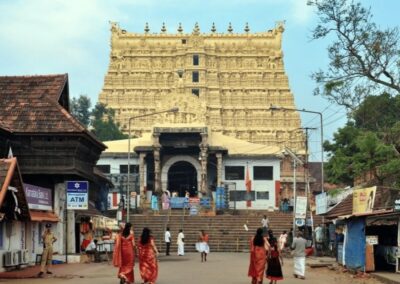
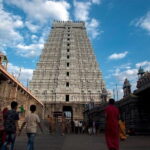
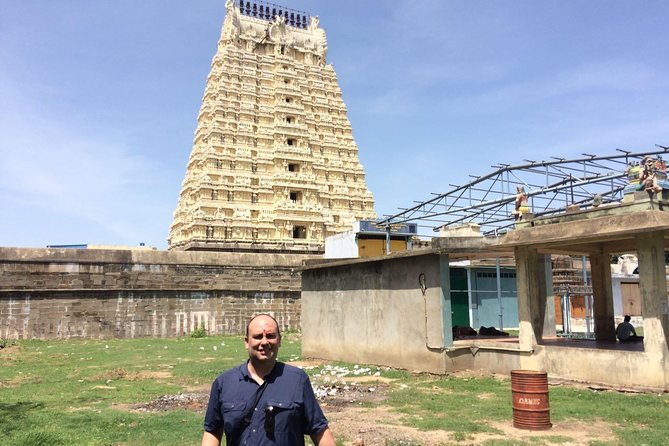
Ekambareswarar Temple is the first anchor of the day. You’ll spend around an hour here, and the focus is on the temple’s age and its layered rebuilds over time. The temple is associated with an early origin around 600 AD, and it has been rebuilt across different dynasties—so the result isn’t a single “snapshot.” It’s a history you can read in stone.
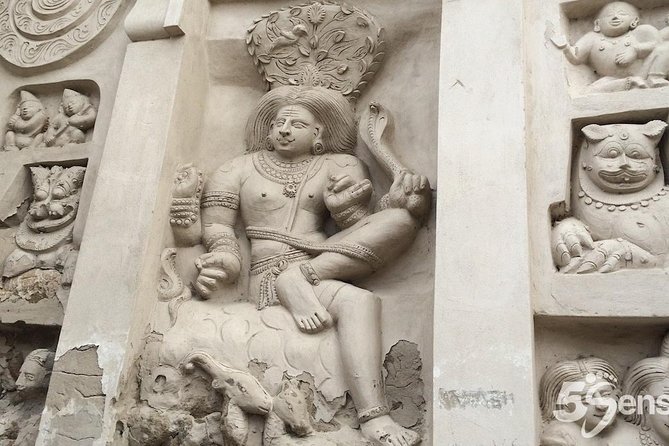
The standout is the intricate sculptures set into the temple fabric. Some of the best moments are slow: looking at the density of carving, then stepping back to see how the whole composition still holds together. This is also a place where your guide can help you notice what’s where, so you don’t just walk past details.
Possible drawback: Ekambareswarar can be busy and visually intense. If you tend to get temple-fatigue quickly, tell your guide early. You can still see the key areas without burning your energy on every single side corridor.
Stop 2: Kailasanathar Temple—vimana drama and the gopuram over the sanctum
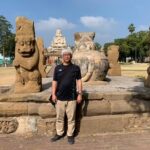
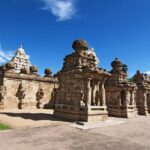
Next up is Kailasanathar Temple, built by Pallava King Narasimhavarman II in the 7th century. This stop is where the day gets more architectural. The description highlights the vimana and the gopuram over the sanctum, and that’s your cue for what to focus on.
Here’s how to enjoy it: start with height. Look upward first, then work your way down to the finer sculptural work. The vimana is the kind of form that rewards a second glance, because you’ll keep noticing how sections relate to each other. The gopuram over the sanctum is also a strong visual landmark—your guide will likely point out what makes it important and how it fits the Pallava style.
You’ll typically get about an hour at this stop, including entry with admission ticket included. That’s enough time to see the major elements calmly, as long as you aren’t trying to do everything at once.



Stop 3: Kanchipuram silk culture—sari weaving and jacquard loom detail
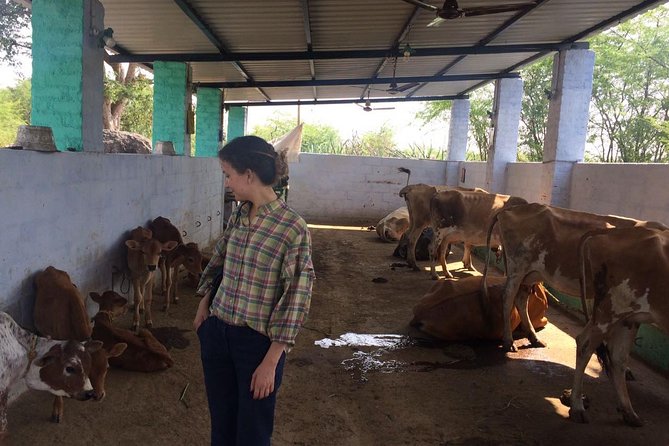
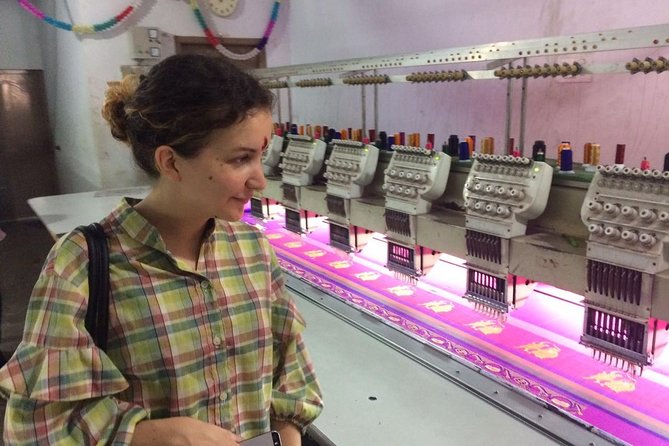
The last stop centers on Kanchipuram itself and its reputation as a top destination for silk saris. You’ll spend about an hour here with a focus on sari craft. The tour description connects the fame of Kanchipuram silk to long-standing traditions, and one review experience specifically mentioned watching weavers using jacquard looms.
If you’re even mildly interested in textiles, this is the part you’ll likely remember most. Watching the weaving process makes the final product feel more human. You start thinking about the planning behind patterns, not just the finished cloth. For a hobbyist weaver, this kind of observation can be a serious treat because you’re seeing how technique and fabric meet in real time.
Also, you may get a stop tied to traditional home culture—one review called out a step-back-in-time house experience. That’s the kind of detail that turns the day from “temples only” into “temples plus context.”
Practical note: factory-style craft stops can mean bright light and busy movement. Wear clothes you’re comfortable in and keep your camera ready, but be mindful that this is working craft space, not a museum set.
Lunch included: the smartest way to handle a long temple day
Lunch is provided at no extra cost. That’s not just a convenience—it’s a real value in a day trip where you’ll be walking, sitting, and absorbing a lot of visual information.
What I recommend: treat lunch like your reset button. Take your time. Drink water. If you’re the kind of person who wants to keep reading on the go, let the guide’s explanations during lunch steer you toward what to notice next after the meal.
The tour format also helps because you’re not hunting for a restaurant recommendation mid-day. You stay in rhythm.
Timing and pacing: why 8 hours feels full but manageable
This is an 8-hour day trip, approximately. That length is common for temple-and-craft routes because there’s real travel time and you don’t want to rush the sites.
The itinerary structure is simple: two major temples plus a silk-focused stop. The benefit is focus. You’re not jumping between ten places where nothing fully lands.
The potential downside is energy management. If you’re traveling with anyone who gets tired after long standing, plan for shorter bursts of sightseeing and ask your guide to pace it. Private guiding makes that easier than group tours where everyone follows the same timetable.
Value for $122.67 per person: what you’re really paying for
At $122.67 per person, you’re not just paying for transportation. You’re paying for three things that add up fast:
- Round-trip transfers from your hotel or airport
- Admission tickets included for the temple stops (both major temples list admission included)
- Lunch included at no extra cost
Once you add up those pieces, the price starts to look like “day trip convenience” priced reasonably for a private experience. The tour also includes a professional guide for the full flow, and that matters when you’re dealing with ancient sites where context turns sightseeing into understanding.
If you’re a solo traveler, private guiding can feel pricey on paper. But the day covers multiple ticketed experiences plus transport plus meals. For couples or small groups, it tends to feel even more straightforward.
Who this day trip suits best
This tour is a good match if you want:
- Temple time with context, not just quick photo stops
- A silk-focused stop where you can see how sari craft happens
- A smooth day plan with pickup and returns handled for you
It’s also a strong option for craft lovers. One hobbyist weaver described the weaving observation as a special treat, with the jacquard loom details being the kind of moment you can’t easily replicate on your own.
If you hate long days, you might find the 8-hour schedule intense. But if you’re game for a full day with stops designed to be cohesive, this works well.
What to do before you go (so the day feels easy)
You’ll be on your feet for temple visits and walking between stops. Bring:
- Comfortable shoes (no big surprises here, but your feet will thank you)
- A water plan (stay hydrated; it’s a long outing)
- Light layers for sun and temple shade shifts
If you’re sensitive to crowds, aim to arrive with your mindset set to move step by step. With a guide, you can usually find a better rhythm even when places get busy.
Final verdict: should you book this Kanchipuram day trip?
I’d book this if you want a well-structured day that mixes two major temples with a real look at Kanchipuram silk culture. The included lunch and temple admissions make it feel like less of a “spend and hope” situation, and the private format helps you keep the pace comfortable.
I would think twice if you prefer slow travel, or if an 8-hour schedule sounds like too much temple time. For the right traveler, though, this trip is the kind of day that gives you both the artwork and the craft behind it—without forcing you to manage the details.
FAQ
How long is the Kanchipuram day trip from Chennai?
It’s about 8 hours (approx.), for a full-day outing.
Does the tour include pickup and drop-off?
Yes. Round-trip transfers are included from your Chennai hotel or from the airport.
Is lunch included?
Yes. Lunch is included at no extra cost.
Which temples are visited?
You’ll visit Ekambareswarar Temple and Kailasanathar Temple.
Are admission tickets included?
Yes. Admission tickets are included for both temple stops.
Is this a private tour?
Yes. It’s a private tour/activity, and only your group participates.
What happens if the weather is poor?
This experience requires good weather. If it’s canceled due to poor weather, you’ll be offered a different date or a full refund.
What is the cancellation policy?
You can cancel for a full refund up to 24 hours in advance. If you cancel less than 24 hours before the start time, the amount paid is not refunded.