REVIEW · CHENNAI
Mahabalipuram and Kanchipuram Private Caves & Temples Tour
Book on GetYourGuide →Operated by INDIATOR · Bookable on GetYourGuide
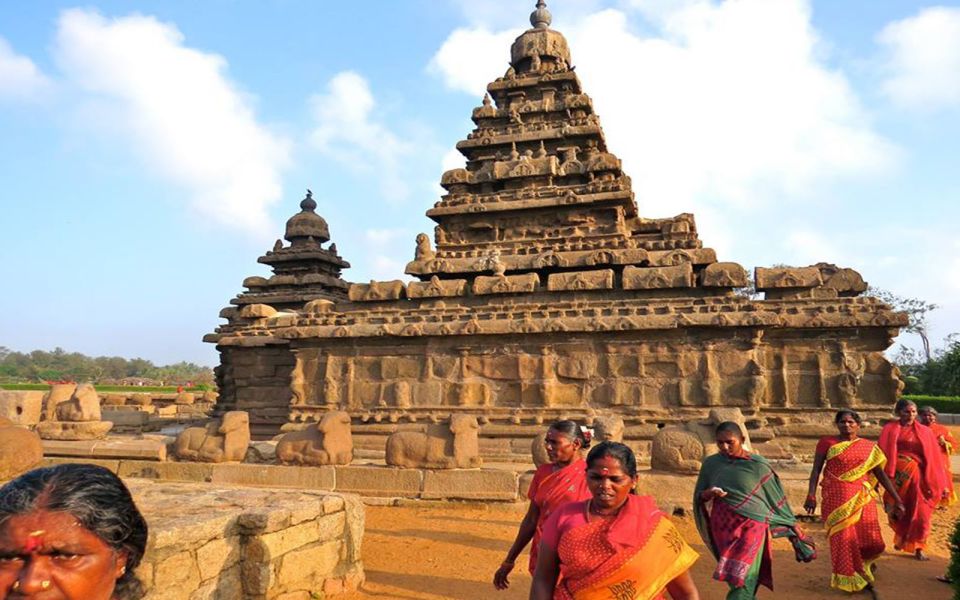
Ancient stone, easy pacing. This private Mahabalipuram and Kanchipuram day trip strings together 7th- and 8th-century sites, starting at the Shore Temple and moving to the Five Rathas stone shrines. I like how the carvings and temple layouts give you quick, real context for South Indian art, not just names on a sign.
What I really liked is the human layer: a private English-speaking guide can turn a stop-and-snap visit into an actual story. You’ll also get time for a thoughtful shopping break in Kanchipuram to hunt for silk and cotton saris, which is part of why the city is famous.
One consideration: temple access and guide quality can vary day to day. Some people are restricted from entering certain inner spaces as non-Hindus, and one past group felt the Kanchipuram guide’s English wasn’t strong and shopping felt pressured—so go in with clear expectations.
In This Review
- Key Highlights You’ll Care About
- Shore Temple and Five Rathas: the start that makes everything click
- How the tour connects Hindus, Jains, and Buddhists in real space
- Temple hours and timing: why your schedule matters today
- Kanchipuram’s golden city energy: the change of scale
- Kailasanatha and Vaikunda Perumal: look for architectural experiments
- Kamakshi Amman and Ekambareswara: the details you’ll remember
- Lunch stop: how to plan for it without surprises
- Shopping for Kanchipuram silk and cotton: enjoy it, control it
- Guides and drivers make or break the day
- Price and logistics: what $115 buys you in the real world
- Practical notes for a smoother visit
- Who should book this tour, and who might skip it
- Should you book the Mahabalipuram and Kanchipuram private tour?
- FAQ
- How long is the Mahabalipuram and Kanchipuram tour?
- Where does the tour start and end?
- Is this a private tour?
- Does the price include entrance fees?
- Is a guide included, and what language do they speak?
- Is transportation included?
- Is lunch included?
- Are camera fees included?
- What temples are visited in Kanchipuram?
- What if I’m not allowed inside some temples as a foreigner?
- What’s the cancellation policy?
Key Highlights You’ll Care About
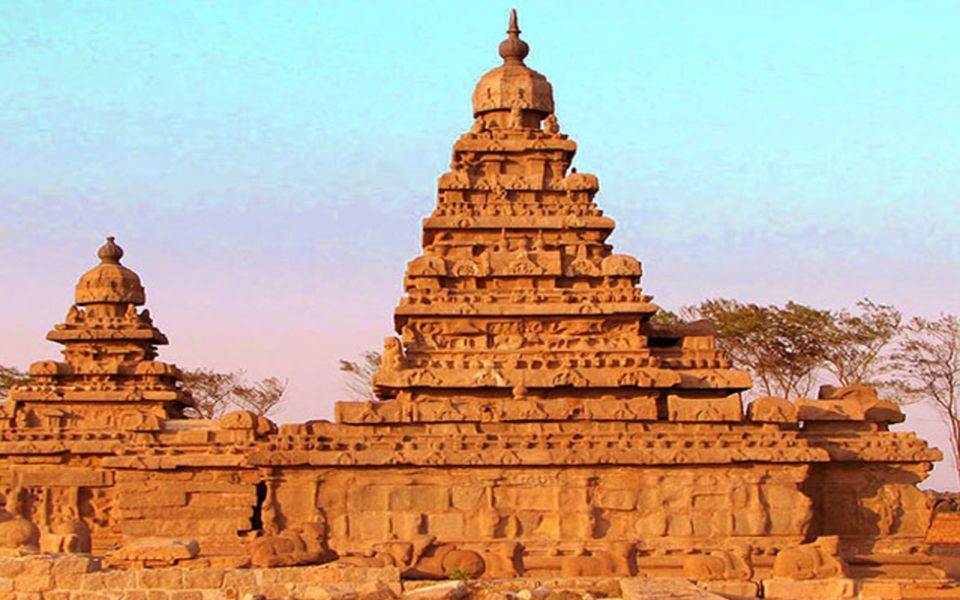
- Shore Temple + Pancha Rathas: see two landmark clusters that make Mahabalipuram feel like a living museum
- Faith layers in one circuit: the tour is built around the wider history of Hindus, Jains, and Buddhists
- Private, A/C transport from Chennai: door-to-door hotel pickup and drop-off keeps your day sane
- Kanchipuram’s big four temples: Kailasanatha, Vaikunda Perumal, Kamakshi Amman, and Ekambareswara are the heavy hitters
- Sari shopping with a plan: you can browse Kanchipuram silk and cotton, but keep control of your budget
Shore Temple and Five Rathas: the start that makes everything click
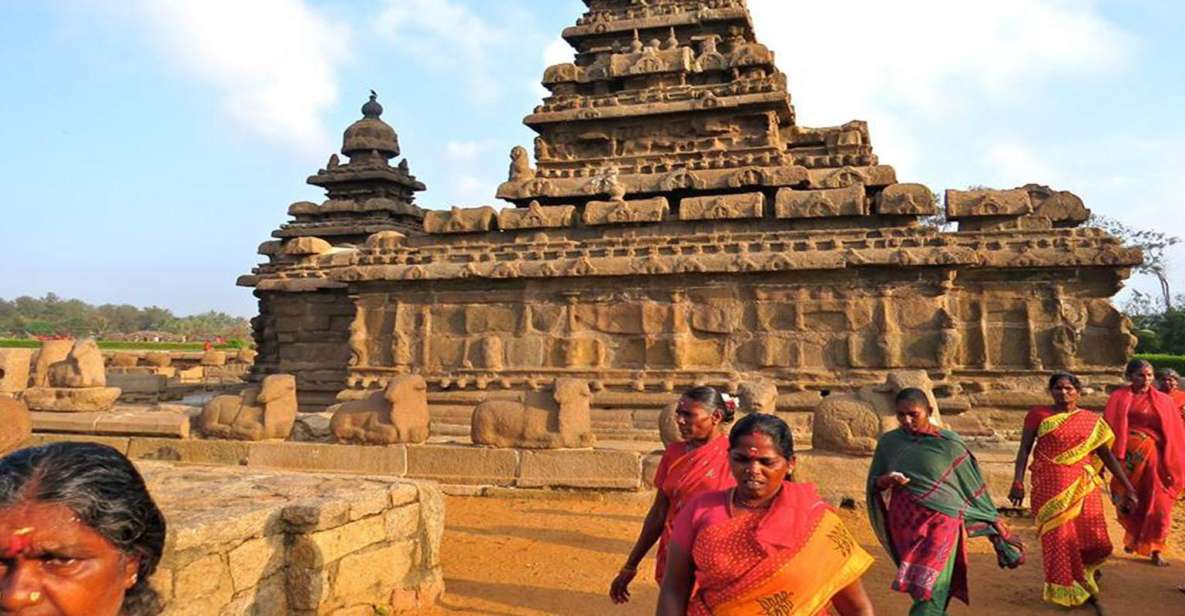
The day begins in Chennai with pickup from your hotel in the city area. From there, you drive to Mahabalipuram, a place known for its 7th- and 8th-century art and architecture, especially stone carving. This matters because the best temple towns aren’t just about scale. They’re about design choices—how stone becomes story.
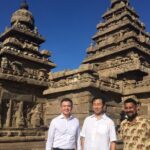
The first big stop is the Shore Temple, a 7th-century landmark set near the water and framed by gardens. Even if you’ve seen photos, it helps to view it in person: you can spot how the structure fits its surroundings, and you get a sense of why coastal South Indian temples mattered to sea-trade eras.
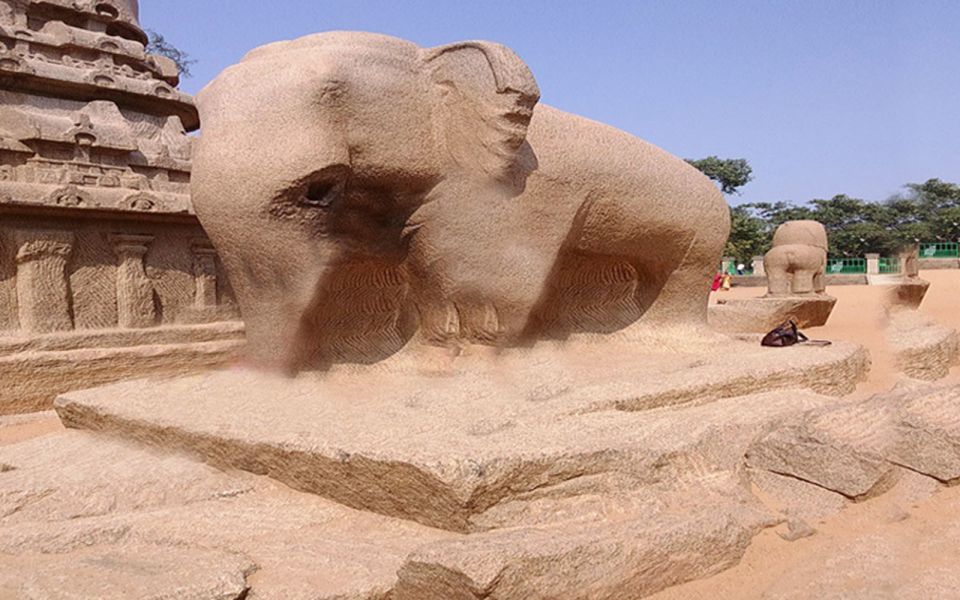
Next comes the Five Rathas shrine, also called Pancha Rathas. Think of it as a cluster where sculpted stone forms act like an architectural “mood board” from that period. The buildings are stone, but they don’t feel static. They feel like experiments—different shapes and levels that teach you how temples evolved.
You can also read our reviews of more private tours in Chennai


How the tour connects Hindus, Jains, and Buddhists in real space
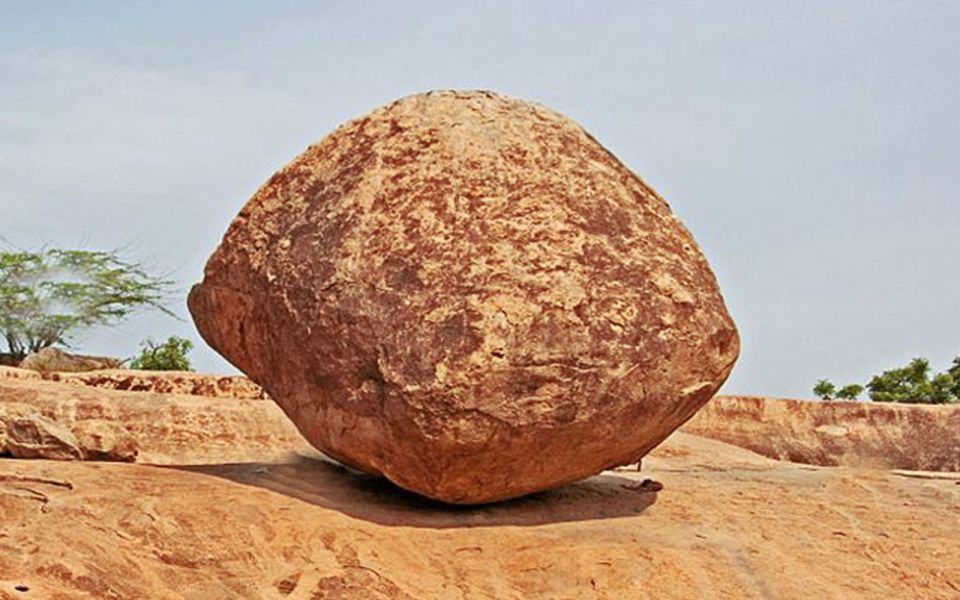
The route is designed around the broader religious history of the region. You’re not just ticking boxes for one tradition. Mahabalipuram is the kind of place where you can feel how communities shared ideas, art styles, and public spaces over time.
With a good guide, this becomes more than a list of faiths. You start to notice how symbols show up in carvings, and how temple design creates a stage for worship. Past visitors specifically liked having a guide explain the meaning of sculptures and the way different elements fit the story.
This is also where private touring helps. A group tour can rush. A private guide can slow down at the exact spots where your eyes will trip—an old relief panel, a doorway carving, or the way a shrine sits within its environment.
Temple hours and timing: why your schedule matters today
Temples in this part of India often follow strict daily hours. One past reviewer shared that temples can be closed roughly from 12:00 to 16:00, and that the order of visits affected how many interiors were accessible.
That’s worth taking seriously. This tour is an 8-hour day with a planned flow: Mahabalipuram first, then the drive to Kanchipuram for the main temple set. If you’re the type who cares deeply about getting into every inner hall, the timing can make the difference between looking from outside and seeing the deeper spaces.
Even so, you’re still visiting top monuments. If an interior door is closed or access is limited, you can usually keep your day productive by focusing on carvings, layout, and sightlines. The guide can also help you understand what you’re seeing even when you can’t go exactly where you want.
Kanchipuram’s golden city energy: the change of scale
After lunch, the ride shifts you from Mahabalipuram’s coastal temple character to Kanchipuram, often called the golden city of a thousand temples. You feel the change fast. Kanchipuram temples aren’t small museum pieces. They’re large, active religious complexes with centuries of additions and renovations.
A well-paced private day helps here because the city is dense. Instead of you juggling maps and timing, the guide keeps the sequence logical and reduces the risk of arriving when key areas are closed. You’re also in an A/C vehicle for the transfer, which makes a real difference in the heat of the day.
This is where the guide’s role becomes more than sightseeing chatter. A strong guide helps you see the architectural experiments across dynasties—how different rulers left their fingerprints on towers, entrances, and sacred layouts.
Kailasanatha and Vaikunda Perumal: look for architectural experiments
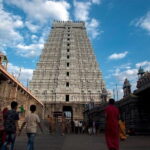
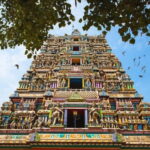
In Kanchipuram, the tour includes major stops such as Kailasanatha Temple and Vaikunda Perumal Temple. These are the kinds of sites where architecture tells a story even if you’re not fluent in the symbolism.
When you’re standing there, look for pattern and repetition: the rhythm of pillars, the way reliefs are layered across surfaces, and how the entrance framing sets your eye toward what the temple is trying to emphasize. The guide’s explanations can connect those visual choices to the historical context, so the carvings feel less random.
If you’re visiting with a guide who knows the art well, you’ll likely spend more time asking questions. One review specifically highlighted how the guide made the experience enjoyable and offered clear explanations if the group didn’t understand something.

Kamakshi Amman and Ekambareswara: the details you’ll remember
Two other included temples are Kamaksi Amman Temple and Ekambareswara Temple. These stops tend to stick in memory because the setting feels intensely lived-in. You’re not far from ongoing devotion, and that adds meaning to the architecture.
One visitor described a moment that’s a good example of why a guide matters: they were able to spend time appreciating the cool stone of Ekambareswara’s area and were guided into spaces that are harder to access without help. That kind of small access difference can be the difference between a surface view and a more personal experience.
This is also one place where temple entry rules can affect what you see. Another reviewer noted that foreigners and non-Hindus may not be allowed in certain temples. That doesn’t automatically ruin the day. You’ll still have the major exterior and interpretive context, but you should expect that inner access may not be guaranteed for everyone.
Lunch stop: how to plan for it without surprises
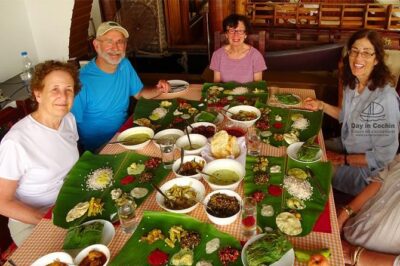
The day includes a lunch stop at a local restaurant between Mahabalipuram and Kanchipuram. The tour’s inclusions focus on entrance fees, guide, vehicle, and taxes, so lunch is likely something you’ll pay for yourself.
One past review mentioned non-veg lunch and described a Banbino Beach restaurant experience with seafood they enjoyed, though they called it on the pricier side. Another review even singled out a guide-led seafood meal by the ocean, which hints that food choices can be part of the payoff if you ask your guide what’s good nearby.
My advice: treat lunch as your flex budget. If you’re food-motivated, tell the guide you’d like seafood options. If you’re cost-focused, set a target before you sit down.
Shopping for Kanchipuram silk and cotton: enjoy it, control it
Kanchipuram is famous for silk and also cotton textiles. The highlights call out shopping time for Kanchipuram silk and cotton saris, and it’s one of the most practical souvenirs you can buy in South India.
That said, shopping can go two ways on a tour. One reviewer praised the temples but criticized the Kanchipuram side because the guide seemed to push spending at shops connected to people they knew. That’s exactly the kind of dynamic you want to avoid.
So here’s the smart approach: if the tour stops at shops, treat it like browsing with a budget. Decide in advance what you’ll spend and what you won’t. If you’re not shopping, politely make it clear you want to keep moving. A private guide should help you enjoy the city, not force the purchase.
Guides and drivers make or break the day
This is a private tour with a private English-speaking guide and private transport by A/C vehicle. In practical terms, that means less waiting, fewer confusion moments, and more time spent on the sites themselves.
The guide experiences in the reviews show the big range. One person described a Mahabalipuram guide named Shiva as brilliant, knowledgeable, and funny, and they appreciated explanations of the meaning behind carvings. Another review mentioned a driver, Ram Kumar, and credited him for making the overall day smoother.
And then there’s the reality check: not every guide experience will be equally strong in English. One group felt they didn’t learn much because the Kanchipuram guide’s English was limited and the focus drifted toward shop spending. It’s still a good tour concept, but the human factor is real.
If you’re booking and your English matters a lot, it’s worth messaging ahead to confirm your guide language level. Once you’re on-site, ask direct questions early: what should I look for here, and what’s the main story on this façade?
Price and logistics: what $115 buys you in the real world
At $115 per person for an 8-hour day, you’re paying for a specific setup: private guide, private A/C vehicle, entrance fees, and taxes and service charges. You’re also covered for camera fees only if they’re required at specific monuments, which are not included.
Here’s how I judge value on a tour like this. You’re likely saving time and hassle compared to hiring a driver and guide separately, especially in a temple-heavy route where timing matters. And you’re paying for interpretation, which is what turns stone carvings into something you can talk about later.
But there’s also a fairness note. One reviewer felt the pricing was high compared to DIY hiring guides and a driver separately, claiming it could be done for far less. That doesn’t mean the tour is a bad deal. It means budget travelers should compare. If you’re going to manage logistics yourself, the private price might feel steep.
If you want comfort and clarity with minimal stress, the price starts to feel more reasonable.
Practical notes for a smoother visit
A few details from past experiences can help you plan smarter.
First, temple access rules can affect what you see. If you’re non-Hindu or visiting with mixed faith, keep expectations flexible about entering inner areas.
Second, focus on what you can actually observe. If a formal viewing of stone-cutting work isn’t part of your stop, you may still see evidence of older carving attempts or original stoneworking marks. In other words, don’t treat every relief day as a behind-the-scenes workshop.
Third, if your goal is to maximize the number of temple interiors, timing is king. The tour’s sequence is designed to get you to the right places in the day, but temple closures can still change what’s possible.
Who should book this tour, and who might skip it
This tour suits you if you want a structured day that covers two major temple hubs without stress. It’s also a good match if you like when your guide explains what you’re looking at—especially sculpture meaning and architectural context.
It’s less ideal if you’re extremely price-sensitive and feel comfortable coordinating your own driver and guides. The fixed price can feel overpriced compared to DIY, depending on your bargaining power and comfort with local logistics.
Also consider skipping or at least adjusting expectations if you know temple entry restrictions will limit what matters most to you. The included monuments are still impressive, but the inner access factor is real.
Should you book the Mahabalipuram and Kanchipuram private tour?
I’d book it if you want the best of both cities in one day: Mahabalipuram’s iconic Shore Temple and Pancha Rathas carvings, then Kanchipuram’s major temples with a private guide who can translate stone details into stories. The A/C car and door-to-door Chennai pickup make the whole thing easy to manage.
Before you commit, decide what matters more to you: strict cost control or low hassle plus interpretation. If you care about guide English and temple access, ask questions early and be ready with a calm plan if any interiors are restricted.
If you do book, you’ll get a day packed with serious architecture and a clear path through the temple highlights—plus a chance to shop for textiles in Kanchipuram if that’s your kind of souvenir.
FAQ
How long is the Mahabalipuram and Kanchipuram tour?
The tour duration is 8 hours.
Where does the tour start and end?
Pickup and drop-off are offered at any hotel within Chennai city limits. The driver comes to your hotel lobby to pick you up and drops you back at the end of the tour.
Is this a private tour?
Yes. It is a private group tour.
Does the price include entrance fees?
Yes. Entrance fees are included as per the itinerary.
Is a guide included, and what language do they speak?
Yes. You’ll have a private English-speaking guide.
Is transportation included?
Yes. You get private sightseeing and transfer by an air-conditioned vehicle.
Is lunch included?
A lunch stop is part of the experience, but lunch is not listed in the inclusions. Plan to pay for your meal at the restaurant.
Are camera fees included?
Camera fees at monuments are not included.
What temples are visited in Kanchipuram?
The tour includes Kailasanatha Temple, Vaikunda Perumal Temple, Kamakshi Amman Temple, and Ekambareswara Temple.
What if I’m not allowed inside some temples as a foreigner?
Temple entry rules can vary. One past experience noted that foreigners and non-Hindus may not be allowed in certain temples, but the tour can still include the major sights and explanations your guide provides.
What’s the cancellation policy?
You can cancel up to 24 hours in advance for a full refund.