REVIEW · BANGALORE
Malleswaram heritage walk, an immersive walking tour in Bangalore
Book on Viator →Operated by 5 Senses Walks · Bookable on Viator
Temple bells and breakfast on one walking route. This Malleswaram heritage walk turns an ordinary morning in Bangalore into a sequence of lived-in streets and sacred places, from local dosas to two ancient Shiva temples and the modern ISKCON complex. I especially liked how the route ties together daily food, neighborhood markets, and worship spaces you’d otherwise zip past.
Two things I really love: the traditional South Indian breakfast at an old eatery (the dosa is the star), and the way the tour’s local guide explains what you’re seeing, including the rituals around the temples. In my experience with the tour’s guide team, Divakar stood out for connecting neighborhood history with practical temple observations, not just dates and names.
One consideration: it’s about 4 hours of walking in the morning, and drinks aren’t included, so plan for heat and pace if you’re sensitive to that. If you prefer a slow, rest-heavy tour, this might feel a bit brisk.
In This Review
- Key Highlights You’ll Actually Notice
- Why Malleswaram Makes Sense as a Heritage Walk
- Starting Point at Shri Venugopalakrishna Swamy Temple
- Breakfast Stop: The South Indian Dosa Morning That Sets the Tone
- Market Walking and Silk Saree Shopping for Real Neighborhood Texture
- Kadu Malleshwara Temple: Dravidian Architecture and Lord Shiva Worship
- Dakshina Mukha Nandi Teertha Kalyani Kshetra: The Temple That Was Lost, Then Found
- Sankey Tank (1882): Bangalore’s Water Story You Can Walk To
- ISKCON Bangalore on Hare Krishna Hill: Modern Temple Design and a Different Kind of Awe
- Price and Value: What $55 Gets You (and Why It’s Not Just “Cheap”)
- Who This Tour Fits Best (and Who Should Skip It)
- Practical Tips Before You Go
- Should You Book the Malleswaram Heritage Walk?
- FAQ
- What is the duration of the Malleswaram heritage walk?
- How much does it cost per person?
- Where do I meet the tour?
- Where does the tour end?
- What’s included in the price?
- Are temple entry fees included?
- Are drinks included?
- Is there a limit on group size?
- What about cancellation?
Key Highlights You’ll Actually Notice
- Breakfast that starts the day right at an old South Indian eatery, with the dosa called out as a must.
- Small group feel (max 15) so you can ask questions and keep up with the walking pace.
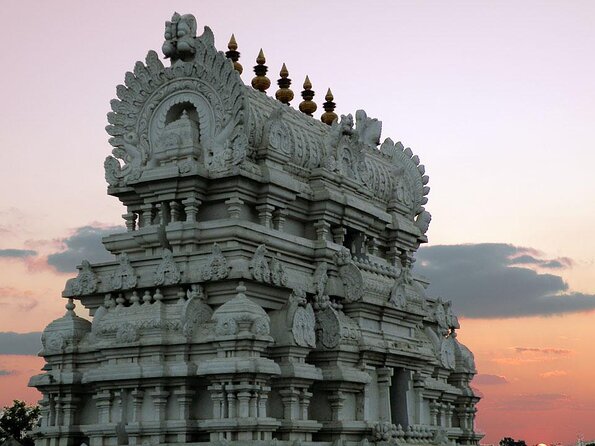
- Ancient temple stops with contrasts: Dravidian Kadu Malleshwara and a rediscovered Nandeeswara site.
- Sankey Tank, built in 1882 and still part of Bangalore’s water story.
- Modern spiritual architecture at ISKCON Bangalore on Hare Krishna Hill to close strong.
- Local impact focus: guides are trained and employed locally, and businesses are supported along the route.
Why Malleswaram Makes Sense as a Heritage Walk
Bangalore is a city of neighborhoods, and Malleswaram is one of the ones that still feels like a real community rather than a theme park. That’s why I like starting here: the morning energy is normal-life energy. You get to watch people move through shops and streets with purpose, then step into temple spaces that carry centuries of routine and devotion.
This walk is designed to connect those two worlds. You’re not just looking at buildings. You’re seeing how worship, food, and local trade fit together in a neighborhood that grew up long before the city’s modern boom.
And it’s built for people who want something more grounded than a photo-only city tour. You’ll spend time on foot, pausing where it matters, and learning why certain places earn their reputation. The group size is capped at 15, so the experience stays human-scale instead of becoming a loud lineup.
You can also read our reviews of more walking tours in Bangalore


Starting Point at Shri Venugopalakrishna Swamy Temple
The tour meets at Shri Venugopalakrishna Swamy Temple, 63, 11th Cross Rd, Malleshwaram. It’s a practical start because you’re already in the neighborhood, not commuting out to a distant “old town” zone.
From here, the route is intentionally short-loop style: you eat first, then walk to markets and temples, and finish at ISKCON Bangalore. The end point is on Hare Krishna Hill near Chord Rd in Rajajinagar. The tour includes drop-off at the ISKCON temple location if the pickup/drop-off option is selected.
This matters because it reduces logistics friction. You don’t have to think too hard about where you’ll end up or how you’ll navigate at the end when you’re ready for a break.
Breakfast Stop: The South Indian Dosa Morning That Sets the Tone
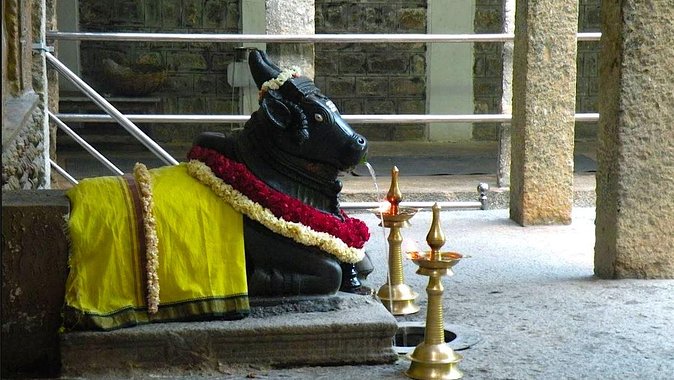
The walk begins with breakfast at an old eatery known for traditional South Indian dishes. The tour information highlights the dosa as especially recommended, and that fits the role this first stop plays: it gives you the right energy and flavors for the rest of the morning.
Expect a proper breakfast pace, not a quick pastry-and-coffee situation. This is the part of the tour that feels most like daily local life. People come in to eat, talk, and start their day, and you get to join that rhythm.
What you’ll learn to appreciate here is practical: South Indian meals aren’t just “food stops” on a tour. They’re social signals. Sharing a table and eating something hot and fresh helps you understand the neighborhood’s pace before you start looking closely at temples and streets.
What to watch for: since drinks aren’t included, consider grabbing water early or plan to purchase along the way. If you’re sensitive to spice, you can still enjoy dosa and ask what’s mild versus strong before you order.
Market Walking and Silk Saree Shopping for Real Neighborhood Texture
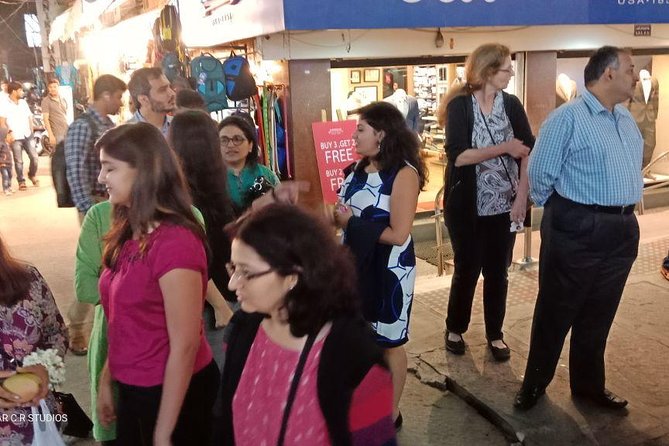
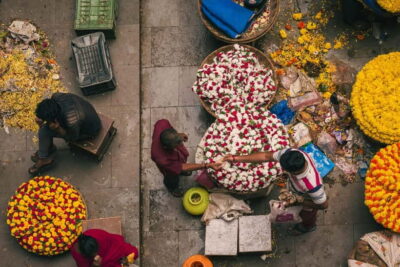
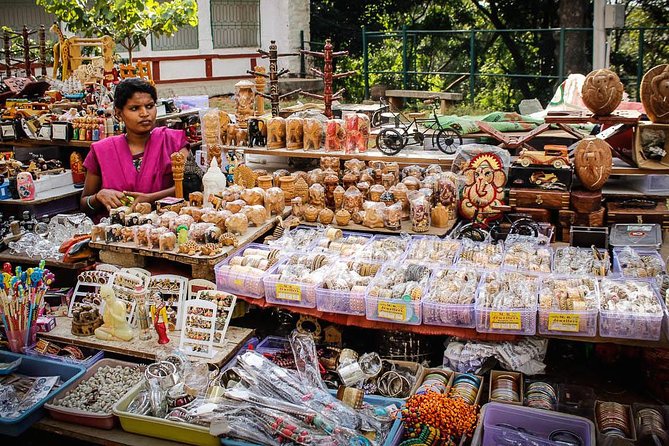
After breakfast, you head into the local market area. This is where the tour starts doing its best work: you don’t just pass through Bangalore’s retail streets, you slow down enough to notice patterns.
The tour highlights include shopping in the famous street bazaars and also a stop at a silk saree shop. Even if you don’t buy anything, this section helps you understand what “craft + everyday life” looks like locally. Sarees in particular are a great lens: they connect culture, skill, and clothing traditions that are still active today, not frozen in museum display mode.
I like this mid-morning positioning because it’s not too early for stores and not too late to feel like you’re actually in the flow. It’s also a good sensory transition from food to architecture: your eyes start tracking details, textures, and craftsmanship, which carries into the temple visits later.
If you’re shopping-minded, this is the portion to pay attention. If you’re not, still treat it like a museum without glass: look closely, ask a simple question about materials, and move on when you’ve had enough browsing.
Kadu Malleshwara Temple: Dravidian Architecture and Lord Shiva Worship
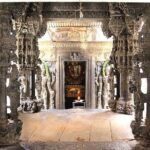
Next up is Kadu Malleshwara Temple, dedicated to Lord Shiva. The tour’s notes emphasize Dravidian-style architecture, and you can see why this stop matters on a heritage route. Dravidian temple design is recognizable even when you don’t know the technical terms, because the forms repeat with clear purpose: pillars, stone work, and structured sacred space.
This temple is also connected to the neighborhood name. That’s the quiet magic of heritage walks: you start realizing that places don’t just exist beside streets. They shape the identity of those streets.
At this stage, you’ll likely notice how different the experience feels compared with the market. In the market, people move with errands and shopping conversations. In the temple, movement slows and attention shifts. Even without understanding every word, you’ll pick up on ritual cues and the logic of why visitors approach and pause where they do.
Practical consideration: dress norms matter in temple spaces. The tour doesn’t specify clothing rules in the details provided, so I’ll keep it general: bring something respectful that you can comfortably wear while walking. Also, be ready for a short pause where you may stand or move slowly.
You can also read our reviews of more historical tours in Bangalore
Dakshina Mukha Nandi Teertha Kalyani Kshetra: The Temple That Was Lost, Then Found
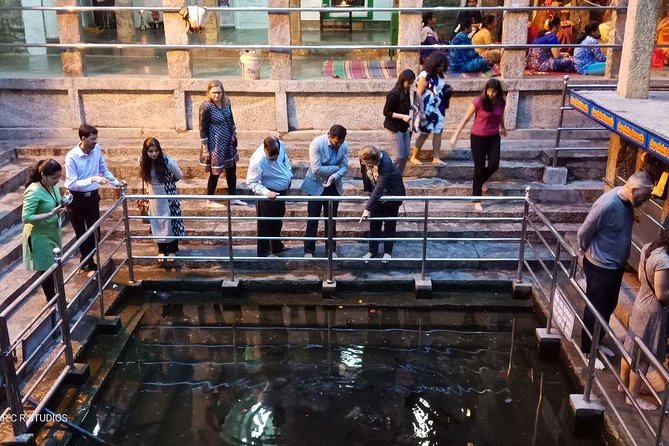
The next stop takes you to an ancient temple called Dakshina Mukha Nandi Teertha Kalyani Kshetra, also known as the Nandeeswara temple. Here’s the story element that makes it stand out: the site was lost to the world for many years and was excavated only recently by archaeologists.
That “found after being hidden” angle gives this stop a different mood than a temple that has always been fully visible and consistently active. You’re not just looking at a place of worship. You’re also seeing layers of time: what was present, what disappeared, and what was rediscovered.
The tour keeps it short here, about 30 minutes, so you’re not dragged through a long history lecture. Instead, you get enough context to make the stone details and sacred layout meaningful. This is one of those moments where a good guide makes a difference, because the temple becomes a story you can read with your eyes, not just a photo opportunity.
You’ll want to keep your pace steady and your questions ready. If anything feels confusing, ask. A solid heritage guide will translate local practices into simple, observable cues.
Sankey Tank (1882): Bangalore’s Water Story You Can Walk To
Then you reach Sankey Tank, an important source of drinking water for Bangalore. The tour notes it was built in 1882 by the Madras Sappers Regiment, and today it’s popular with walkers and joggers.
This stop is valuable because it gives you a different kind of “heritage.” It’s not temple architecture. It’s infrastructure—still in use, still part of daily movement. That’s a smart pairing on a walking tour: temples show beliefs, and waterworks show practical life.
The duration is brief, about 15 minutes, with admission ticket included. You’re basically getting a leg-stretch and a context pause. If you’re the type who likes to understand how a city functions, this is the moment to pay attention.
What I love about this stop is the visible connection between past and present. Even if you don’t know the exact engineering story, you can feel how a place like this becomes a landmark through use. The tank isn’t just “there.” It shapes routines.
ISKCON Bangalore on Hare Krishna Hill: Modern Temple Design and a Different Kind of Awe
The walk ends at ISKCON Bangalore, a modern temple of Lord Krishna located on top of a small hill. ISKCON—the International Society for Krishna Consciousness—was founded in 1966, and that modern origin changes the tone of the visit compared with the older Shiva temples you saw earlier.
This is a good place to close your day because it brings you out of the “neighborhood loop” mindset. The hilltop setting gives you a different sense of space, and the spiritual atmosphere feels organized in a way that’s distinct from smaller older temple structures.
The tour allots about 45 minutes here, with admission free. Even if you’re not deeply religious, you can still appreciate how visitors gather, how the space is used, and how devotion is expressed through routines and the physical layout.
One practical note: since you’ve been walking for hours, be ready for one final uphill or stair section as you get onto the hill. Wear supportive shoes. This is not the time for fashion footwear.
Price and Value: What $55 Gets You (and Why It’s Not Just “Cheap”)
The tour costs $55.00 per person for roughly 4 hours, and it includes GST and local taxes. You also get breakfast, a local guide, and hotel pickup/drop-off if you select that option.
Let’s talk value the way you’ll feel it on the ground:
- Breakfast is included, and this isn’t a tiny snack. It’s a traditional South Indian meal that powers the rest of the day.
- Multiple stops are included with free admission, including the temple visits. Sankey Tank’s ticket is included too.
- Group size is capped at 15, which usually means better attention from the guide and a smoother pace.
- There’s also a mobile ticket and group discounts, which can help if you’re traveling with friends or family.
Could you do some of this yourself? Sure. You can eat in Malleswaram and visit ISKCON. But doing it as a guided heritage route makes the difference. You’re not guessing which places matter or why. You also get context about temple practices and neighborhood history while you’re physically there.
If your goal is a meaningful morning in Bangalore without wasting time figuring out logistics, this price is easy to justify.
Who This Tour Fits Best (and Who Should Skip It)
I think this is a strong fit if you want:
- A walkable morning tour that mixes food, streets, and temples
- A guide who explains what you’re seeing beyond surface facts
- A small-group experience where you can ask questions
It also suits first-timers who want to understand Bangalore through a single neighborhood rather than chasing far-away landmarks.
You might choose a different option if you:
- Don’t enjoy walking for about 4 hours in the morning
- Prefer independent pacing with no planned structure
- Need lots of food-and-drink breaks (since drinks are not included)
Practical Tips Before You Go
Bring a light plan for the weather and your energy. This is an early start at 8 AM, and the route includes walking to multiple stops. I’d also recommend hydration habits since drinks aren’t included.
Shoes matter. You’ll be on foot for long stretches and then doing temple visits where you may stand or move slowly. Comfortable, grippy footwear will make the whole tour feel easier, especially near ISKCON’s hill area.
If you’re a shopper, decide your comfort level in advance. The tour includes street bazaars and a silk saree shop stop, so it can be a great moment for browsing or buying. If you’re not buying, still enjoy it as a cultural window. If you are buying, keep an eye on what you truly want, not just what looks impressive in a single glance.
And yes, ask questions. The tour’s biggest strength is the guide’s ability to connect details to practice. In particular, Divakar’s style (as reflected in the guide experience) focuses on history and rituals, which is exactly what you want in a heritage walk.
Should You Book the Malleswaram Heritage Walk?
I’d book it if you’re the kind of traveler who likes a structured morning with breathing room. You’ll get a real neighborhood feel, a proper breakfast start, two temple visits with strong context, an engineering stop at Sankey Tank, and a memorable finish at ISKCON on Hare Krishna Hill.
Skip it if you want a slow scenic stroll with lots of optional wandering. This is a guided route with a clear flow, and it moves. But for most people looking for an authentic Bangalore morning, this is one of the easier ways to get it right without overthinking.
FAQ
What is the duration of the Malleswaram heritage walk?
The tour lasts about 4 hours.
How much does it cost per person?
The price is $55.00 per person.
Where do I meet the tour?
You meet at Shri Venugopalakrishna Swamy Temple, 63, 11th Cross Rd, Malleshwaram, Bengaluru, Karnataka 560003, India.
Where does the tour end?
The tour ends at ISKCON Bangalore on Hare Krishna Hill, Chord Rd, 1st R Block, Rajajinagar, Bengaluru, Bengaluru, Karnataka 560010. Drop-off is at the ISKCON temple if selected.
What’s included in the price?
Included are GST and local taxes, breakfast, a local guide, and hotel pickup and drop-off if you choose that option. Sankey Tank’s ticket is included as part of the stops.
Are temple entry fees included?
Yes. The temple stops listed are marked as free admission.
Are drinks included?
No, drinks are not included.
Is there a limit on group size?
Yes. The tour has a maximum of 15 travelers.
What about cancellation?
Free cancellation is available. You can cancel up to 24 hours in advance for a full refund. Canceling less than 24 hours before the start time doesn’t get a refund.