REVIEW · BANGALORE
Pete walk, an immersive walking tour in Bangalore with a guide
Book on Viator →Operated by 5 Senses Walks · Bookable on Viator
Old Bangalore needs your own pace, not a bus.
Pete Walk is a guided walking culture tour through the Petes and Pettahs area, where Kempe Gowda’s early settlement grew into Bangalore’s old trading heart. I like that it’s built around walkable, real-life places—palaces, forts, and markets—so you’re not just staring at monuments from a distance.
What I really like are the two anchor stops: Tipu Sultan Fort and Palace (with admission included) and the KR Market food-spice-flower streets that show you how locals shop. The mix of history plus everyday commerce is why this walk works.
One thing to consider: this route depends on good weather, and the market parts can get crowded and loud.
In This Review
- Key things to know before you go
- How the walk fits together in 3 hours
- Starting at K R Market Metro: where the old-town energy begins
- Tipu Sultan’s Summer Palace and Fort: teak, frescoes, and reforms
- Kote Venkataramana Temple: where architecture style tells a story
- Bangalore Fort (Kempe Gowda’s mud fort to stone): the war stories angle
- KR Market: flower, fruit, spice, and the rhythm of daily buying
- Chickpet: bronze bazaar and the metal trade behind the streets
- The guide and the community angle: why it feels more human
- Price and value: is $53 worth it for three hours?
- Who should book Pete Walk (and who should skip it)
- When to go and what to pack
- Should you book Pete Walk in Bangalore?
- FAQ
- How long is Pete Walk in Bangalore?
- Where do I start and where do I end?
- Is pickup available?
- What stops are included on the tour?
- Is admission included?
- How big is the group?
- What happens if the weather is bad?
Key things to know before you go
- Small group (max 10): you get more back-and-forth with your guide than on big-group tours.
- Admission is included for major sites: Tipu Sultan Palace, Kote Venkataramana Temple, Bangalore Fort, and KR Market stops are covered.
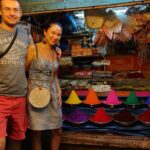
- You’ll cover multiple old-town shopping zones: from textile and metal stalls to flower, fruit, spice, and bronze items.
- A clear start-and-end route: begin near K R Market Metro and finish by Chickpete/Chickpet Metro.
- Community-focused guiding: local guides are trained and employed, and local businesses are supported along the way.
How the walk fits together in 3 hours
This is a 3-hour, on-foot experience that’s designed for getting your bearings fast—without trying to cover all of Bangalore. You start near K R Market Metro and end around Chickpete/Chickpet, so the day feels like a single “old Bangalore” arc instead of backtracking.
The tour is capped at 10 people, and that matters. You’ll hear the stories behind what you’re seeing, and you’ll be able to ask quick questions when the route turns into narrow bazaar lanes. If you hate slow, repetitive sightseeing, this format keeps moving.
Price-wise, it’s $53 per person for about three hours with multiple paid entries included. You’re paying for guidance and interpretation, not just for access. If you’ve ever done India markets on your own and felt lost after 20 minutes, this is the difference-maker.
You can also read our reviews of more walking tours in Bangalore

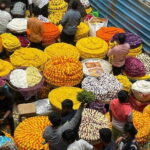
Starting at K R Market Metro: where the old-town energy begins
You meet near K R Market Metro (Krishna Rajendra Rd, New Tharagupet), which is handy because you’re starting in the working side of Bangalore—not a tourist-only pickup zone. From the moment you’re walking, the vibe is commercial and practical: this is where people buy things they actually use.
This neighborhood is also a shortcut to understanding the Petes/Pettahs identity. The area formed around trading and settlement growth over centuries, and your route mirrors that story by shifting from palace architecture to temple grounds to market streets.
If you’re thinking about going without a guide, here’s the tradeoff: on your own you’ll see the storefronts; with the guide you learn what to look for—names, materials, and why certain goods cluster in specific pockets.
Tipu Sultan’s Summer Palace and Fort: teak, frescoes, and reforms
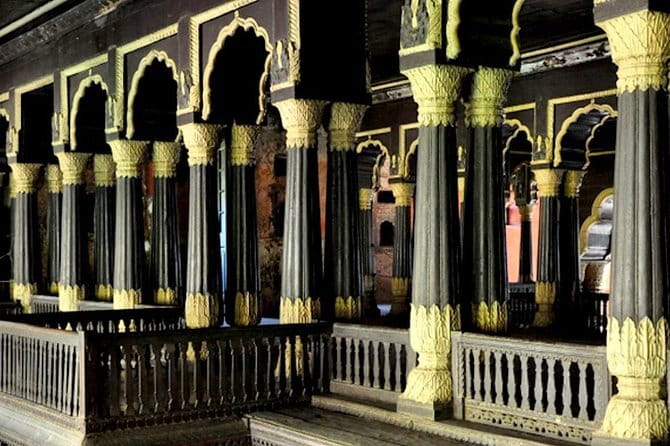
The tour starts with Tipu Sultan Fort and Palace, located around the KR Market area. This stop is time-efficient but satisfying—about 45 minutes, with admission included.
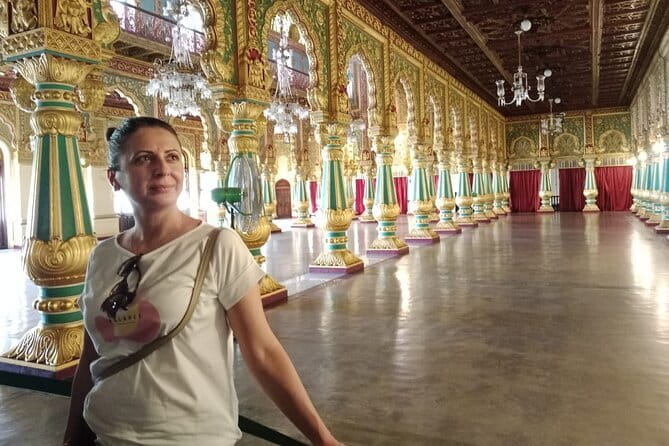
What makes it worthwhile is the way the site connects art and politics. The palace is described as having teak pillars and frescoes, and your guide uses those details to tell key parts of Tipu’s life, including economic and social reforms. It’s not just a pretty building; you get the logic behind what the space was meant to represent.
Possible drawback: this is one of those sites where the main highlights are concentrated. If you prefer long museum-style wandering, you might feel the time is short. For most people, though, the payoff is strong because the walk keeps you moving toward the “living” city right after.
Kote Venkataramana Temple: where architecture style tells a story
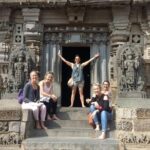
Next comes Kote Venkataramana Temple (around 30 minutes, admission included). The temple dates to the 17th century, and what you’re looking for is the blended architecture style—a fusion of Dravidian and Vijayanagar elements.
This is a good stop if you like learning how cultures meet through design. Instead of treating the temple as a single-label landmark, your guide helps you notice how styles overlap—because in old Indian cities, that overlap is the point.
If you’re sensitive to heat or have limited stamina, plan to slow down here and soak in the details before you push back into market streets. The temple stop gives your brain a breather before the sensory overload of retail lanes.
Bangalore Fort (Kempe Gowda’s mud fort to stone): the war stories angle
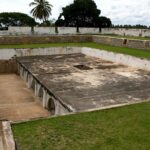
Then you’ll walk to Bangalore Fort, linked to the city’s founding era. The fort began as a mud fort in 1537 built by Kempe Gowda and later got reinforced with stone by Hyder Ali in 1761.
Your guide focuses on how the fort mattered during the Anglo Mysore wars, which is the kind of historical connection that makes “old walls” feel less abstract. It turns architecture into context: why people built there, who controlled the area, and how conflict shaped the city’s development.
This stop is also about scale. Forts aren’t always dramatic in the way you expect from movies. You’ll get more out of it if you go in expecting explanations—why certain traces matter and what the fort’s location meant for trade and defense.
You can also read our reviews of more guided tours in Bangalore




KR Market: flower, fruit, spice, and the rhythm of daily buying

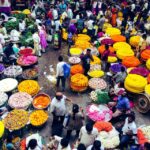
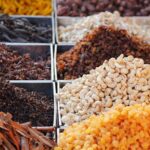
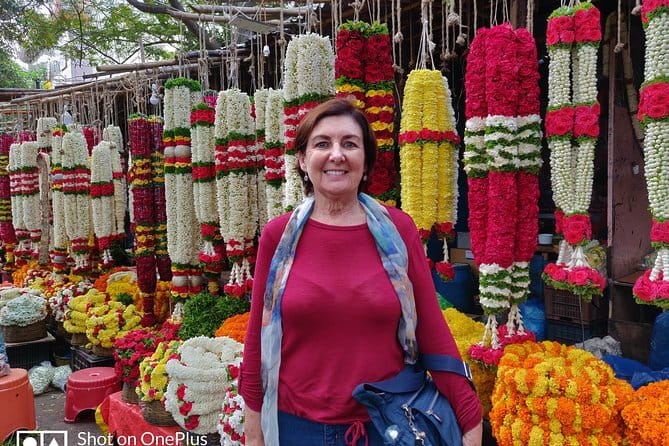
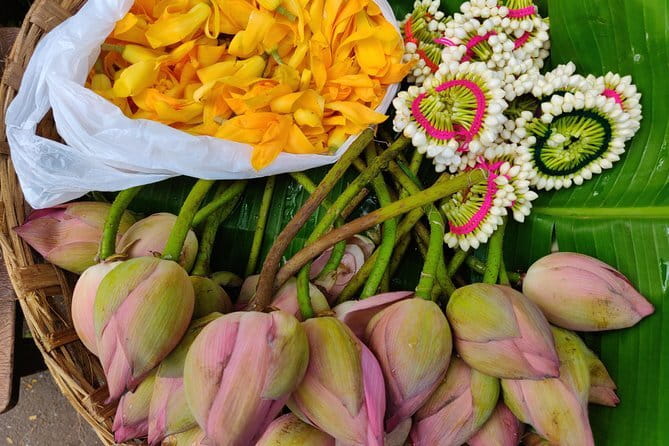
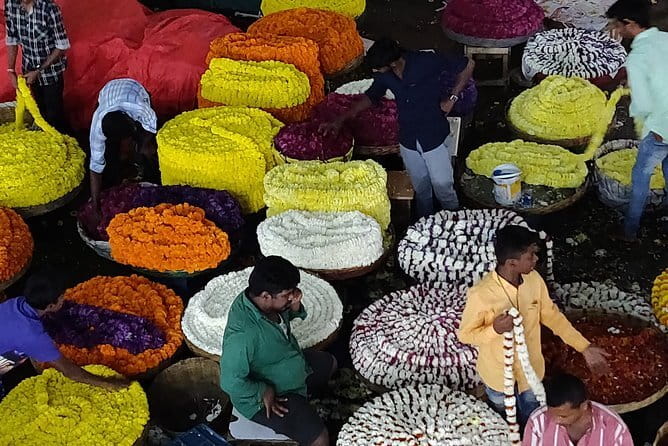
One of the best parts of this walk is the time at KR Market (about 30 minutes). It’s one of Bangalore’s busiest and most famous markets, and you visit the flower, fruits, and spices areas.
Here’s what the guide adds: market knowledge isn’t just where things are sold. It’s how goods move, who buys what, and how the same street can function as multiple micro-markets depending on the day and season.
You’ll also notice the sensory details: fragrance from flower stalls, color from spice stacks, and the fast choreography of traders and shoppers. Even if you don’t buy anything, this stop makes Bangalore feel like a real place instead of a photo-op checklist.
If you dislike crowds, aim for a calmer time of day if you can choose your start. KR Market can be loud. The guide can help you keep your footing and your patience.
Chickpet: bronze bazaar and the metal trade behind the streets
The walk’s final zone includes Chickpet, known for metal and craft shopping. You’ll see the bronze bazaar where items include statues and artifacts made of bronze. The mental image is huge—thousands of small objects in an organized visual chaos.
Your guide also connects this craft culture to the broader trading hub. The walk shifts from bronze to a wider business focus, including gold and silver-related streets (as part of the surrounding market energy). You’re not just looking at products; you’re seeing how Bangalore’s old neighborhoods specialize.
One note: this is where window-shopping can become “wait, I didn’t know that material was used for…” If you’re shopping-focused, you’ll likely enjoy the time. If you’re strictly sightseeing and hate sales pressure, keep your boundaries clear and treat this as a look-only zone unless you’re ready to talk prices.
The guide and the community angle: why it feels more human
A big part of the tour’s success is the guide. In recent experiences, people have highlighted that the guide is helpful with navigation and strong on historical content, including fun stories that connect different stops into one thread.
One guide name that’s been mentioned is Jail—and that matters because it signals consistency of storytelling, not just canned facts. People also appreciated that the guide could point out what to notice in the market and keep the walking route easy to follow.
There’s also a stated mission behind the scenes: the company trains and employs local guides and supports local businesses, with an explicit goal of keeping travel dollars working in the community. On a practical level, that often means you’ll get more local context and less surface-level explanation.
Price and value: is $53 worth it for three hours?
For $53 per person, you’re buying three things at once:
1) Guidance through crowded, confusing streets
2) Interpretation at palaces, forts, and a temple (not just outside views)
3) Admissions included for multiple key stops
Admission is included at Tipu Sultan Fort and Palace, Kote Venkataramana Temple, Bangalore Fort, and KR Market-related areas. If you try to recreate this on your own, the tickets, map-hunting, and figuring out what matters can quickly eat your time—and your energy.
So the value isn’t only about money. It’s about time saved and meaning gained. This is the kind of tour that helps you avoid the common “I saw it, but I didn’t understand it” problem.
Who should book Pete Walk (and who should skip it)
This is a great match if you want:
- A history-meets-market walk rather than a museum-only day
- A small group experience where you can ask questions
- A route that gives you a fast start to old Bangalore in a few hours
You might skip it if:
- You dislike walking in active bazaars or crowds
- You need lots of downtime between major stops
- You want a long, slow-paced site-by-site plan
When to go and what to pack
Because the tour notes that it requires good weather, pick days when rain or heavy heat won’t interfere. Wear comfortable walking shoes. Markets mean uneven sidewalks, lots of foot traffic, and frequent stopping for explanations.
Bring a hat or something for sun, plus water. You’re moving across different types of spaces—palace grounds, temple space, and market streets—so staying hydrated helps you enjoy the full rhythm of the route.
Also, if you’re even mildly interested in shopping for spices or crafts, keep a small budget in mind. The markets are the real point of these neighborhoods, and it’s fun when you can buy something small and local.
Should you book Pete Walk in Bangalore?
Book it if you want a guided path through old Bangalore’s real trading zones, with multiple key paid sites handled for you and a guide who can connect palace history to what people actually buy in the Pettahs. It’s also a strong pick if you’re only in town for a short time and want to get oriented fast—without trying to map everything alone.
Skip it if you want quiet, spread-out attractions with minimal crowds. Pete Walk leans into lived-in neighborhoods: that’s the point, and it can be intense in the market sections.
Overall, with a 4.9 rating and 93% recommendation, this is one of the safer bets for a high-quality, practical old-town experience in Bangalore.
FAQ
How long is Pete Walk in Bangalore?
The walk is about 3 hours (approx.).
Where do I start and where do I end?
You start at K R Market Metro 13, Krishna Rajendra Rd, New Tharagupet. The tour ends by Chickpete/Chickpet Old Tharagupet, and you’ll be dropped at Chikpet Metro Station.
Is pickup available?
Pickup is offered, depending on your selection at booking.
What stops are included on the tour?
The tour includes Tipu Sultan Fort and Palace, Kote Venkataramana Temple, Bangalore Fort, KR Market (including flower, fruit, and spice markets), and Chickpet (including the bronze bazaar).
Is admission included?
Admission is included for Tipu Sultan Fort and Palace, Kote Venkataramana Temple, Bangalore Fort, and KR Market stops. Chickpet includes at least one bronze bazaar segment noted as free.
How big is the group?
The tour has a maximum of 10 travelers.
What happens if the weather is bad?
The experience requires good weather. If it’s canceled due to poor weather, you’ll be offered a different date or a full refund.